
Campervans
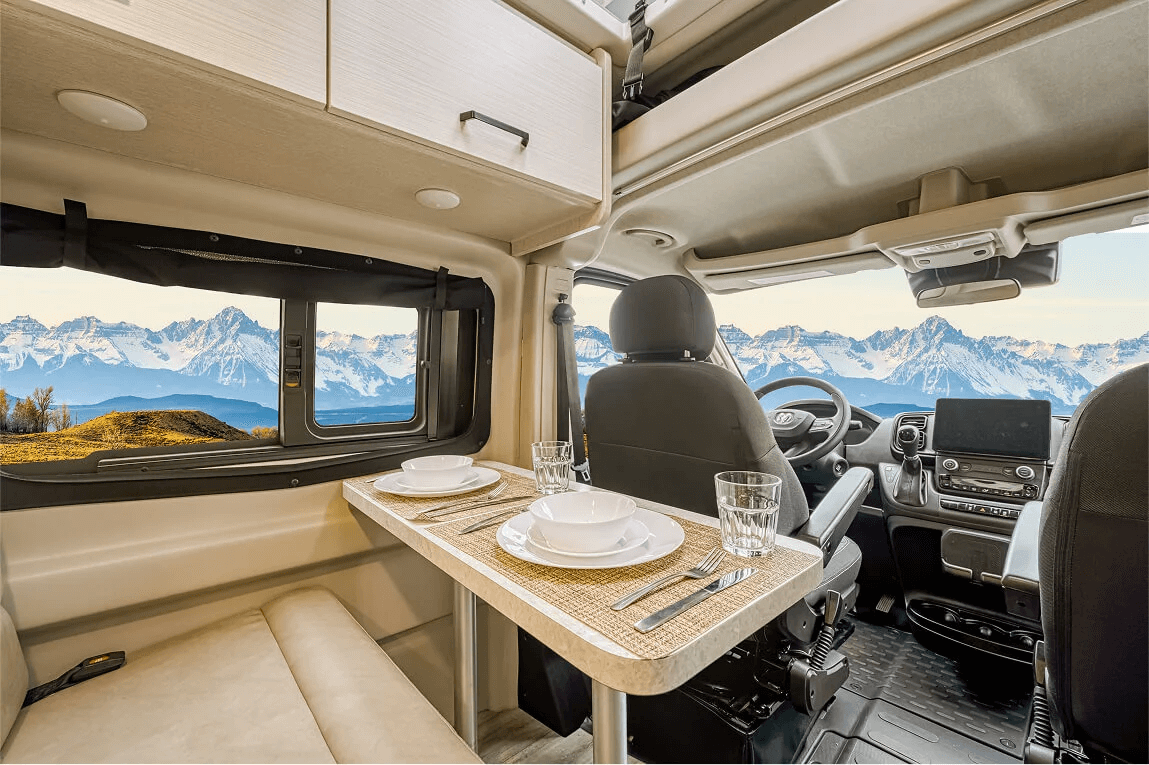
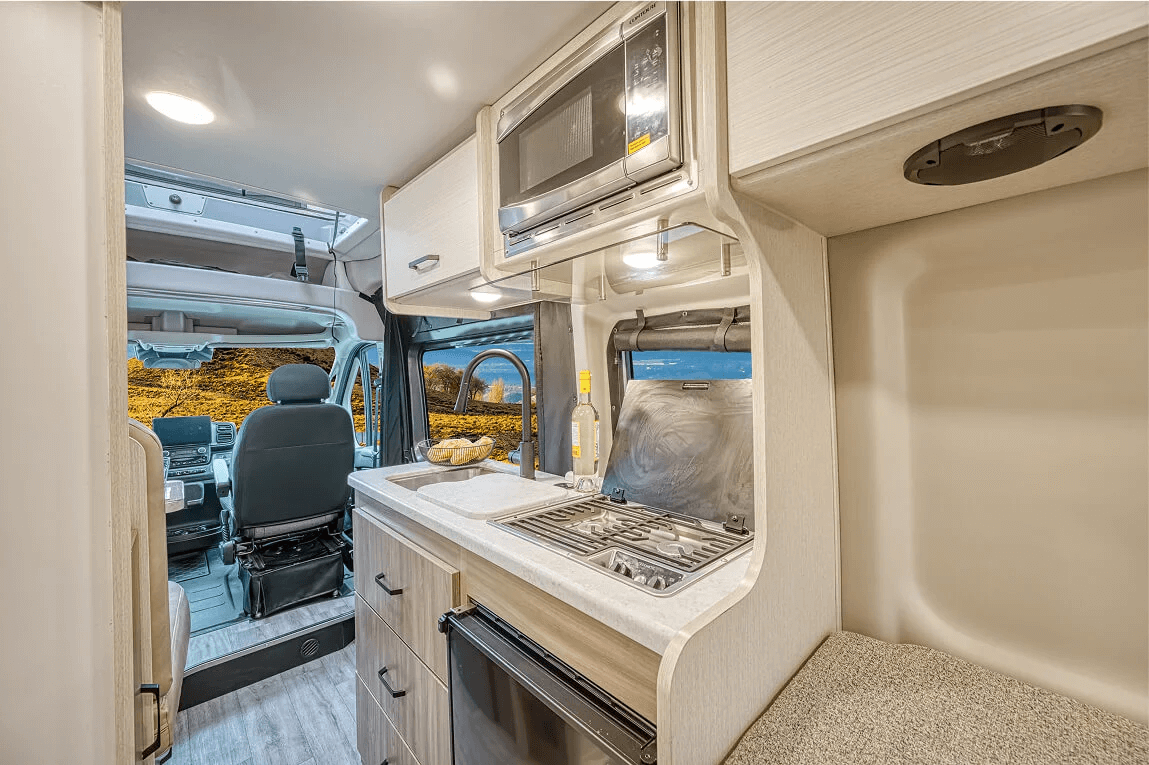
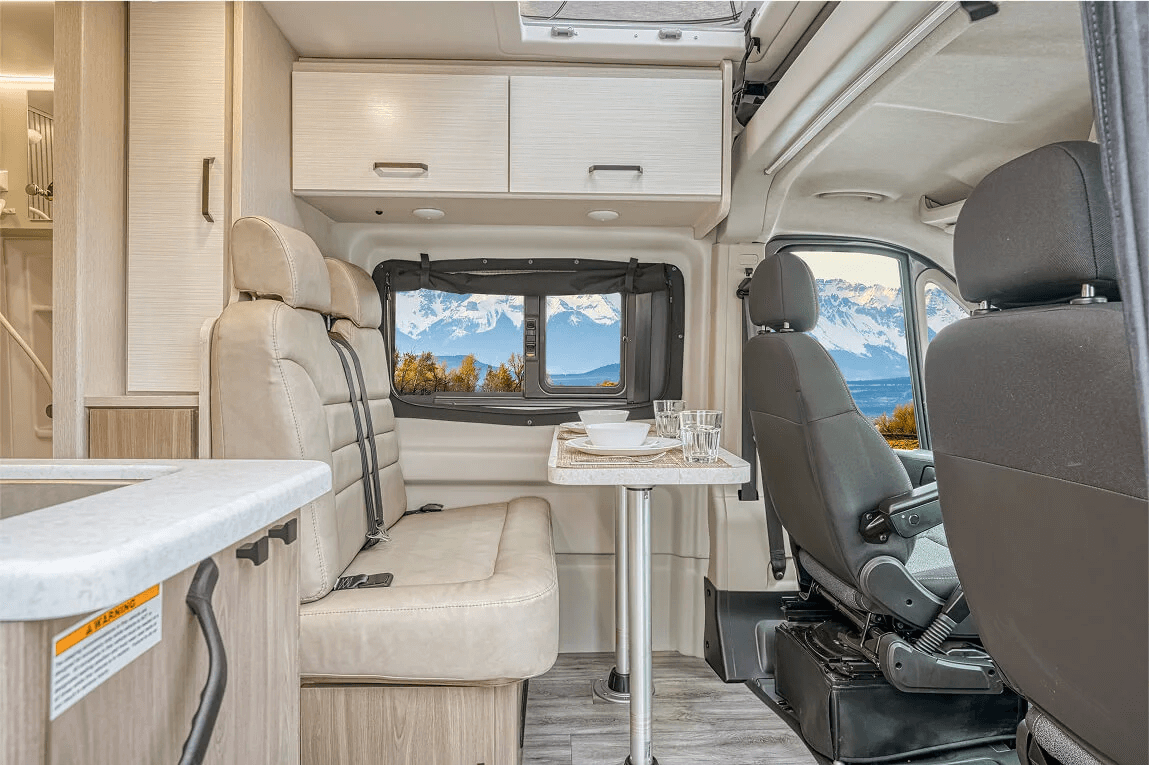
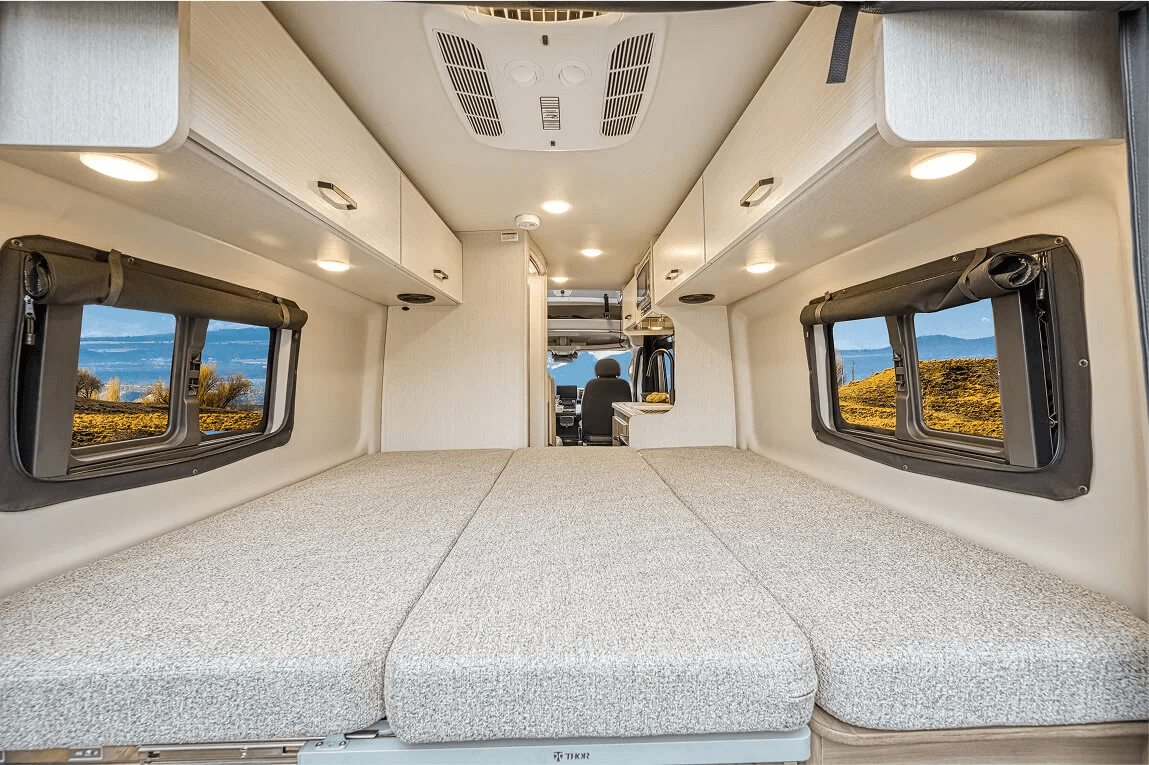
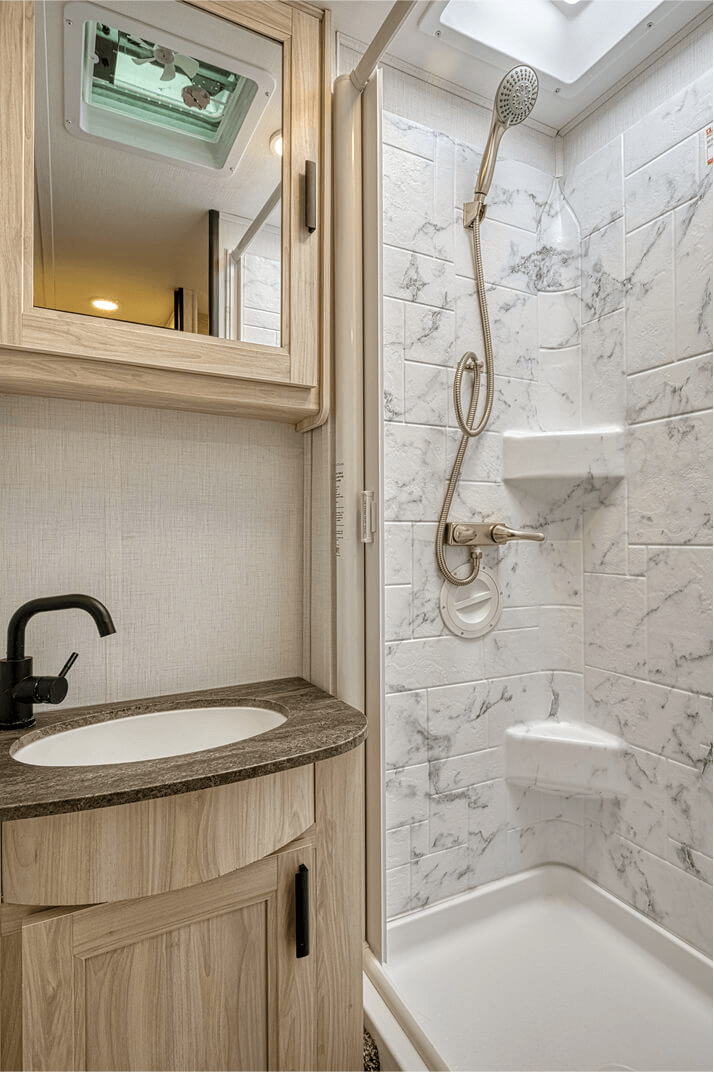
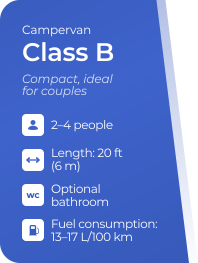
Class B — a converted panel van.
Compact vans built on a minibus base. They sleep 2–4, use the least fuel and park like an ordinary car. Ideal for couples and routes with narrow roads.
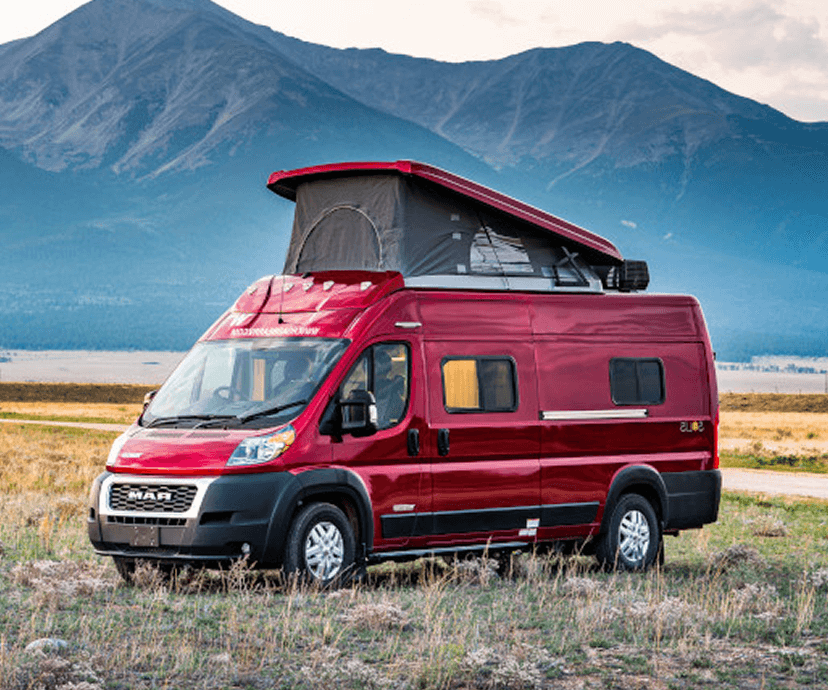


Class B — a converted panel van.
Compact vans built on a minibus base. They sleep 2–4, use the least fuel and park like an ordinary car. Ideal for couples and routes with narrow roads.
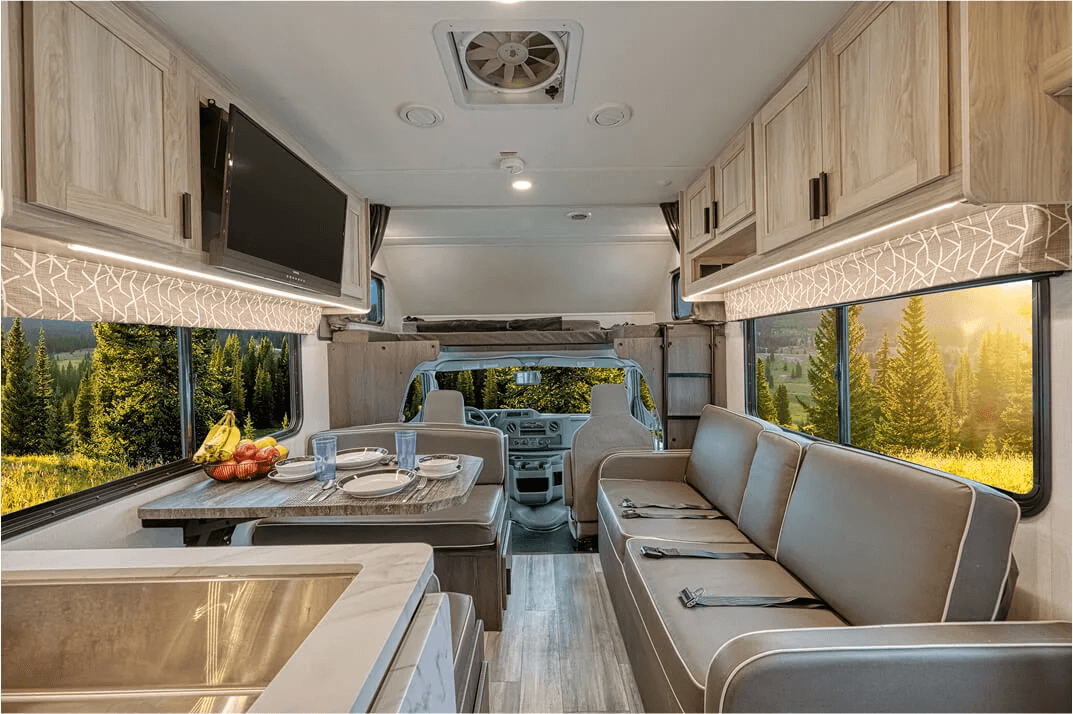
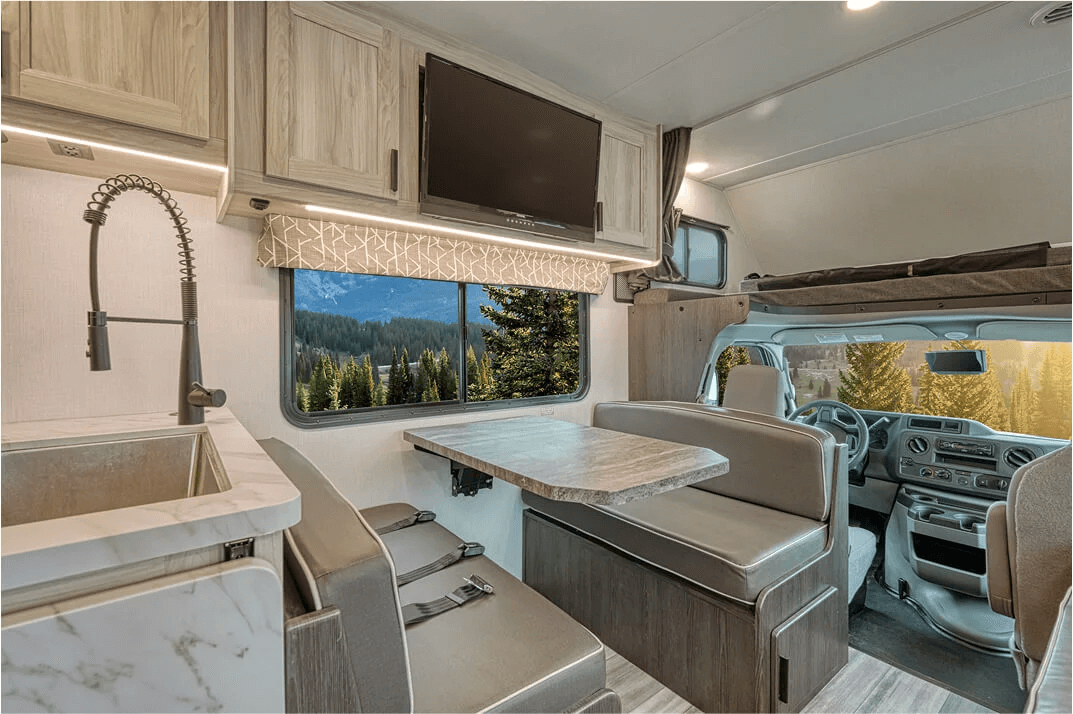
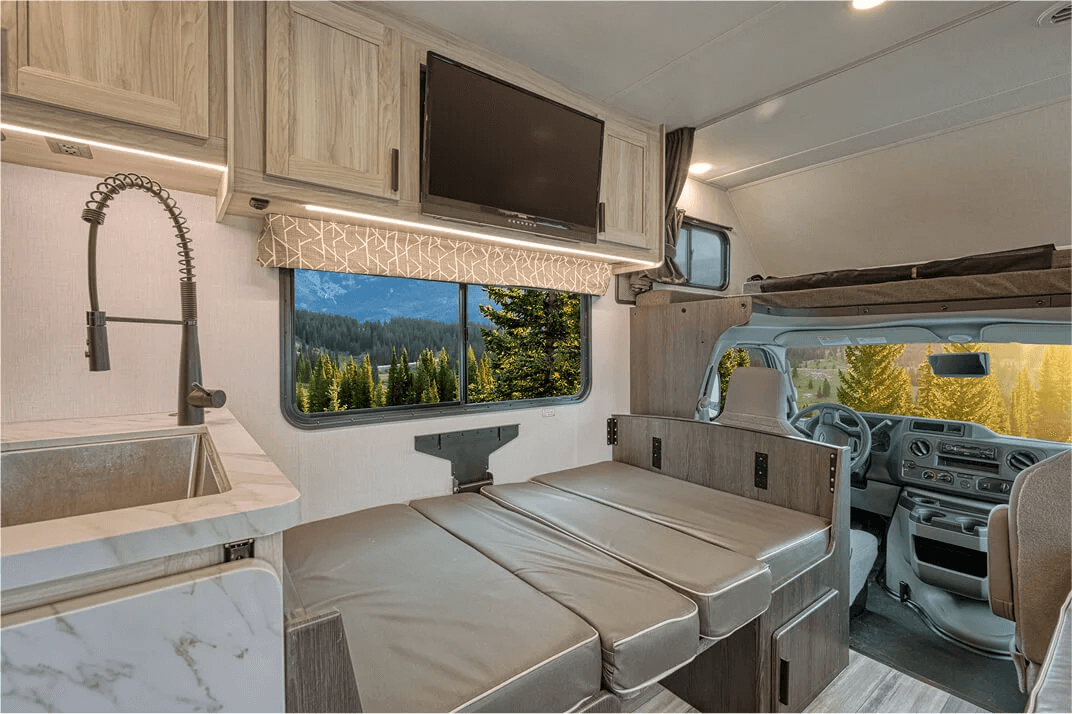
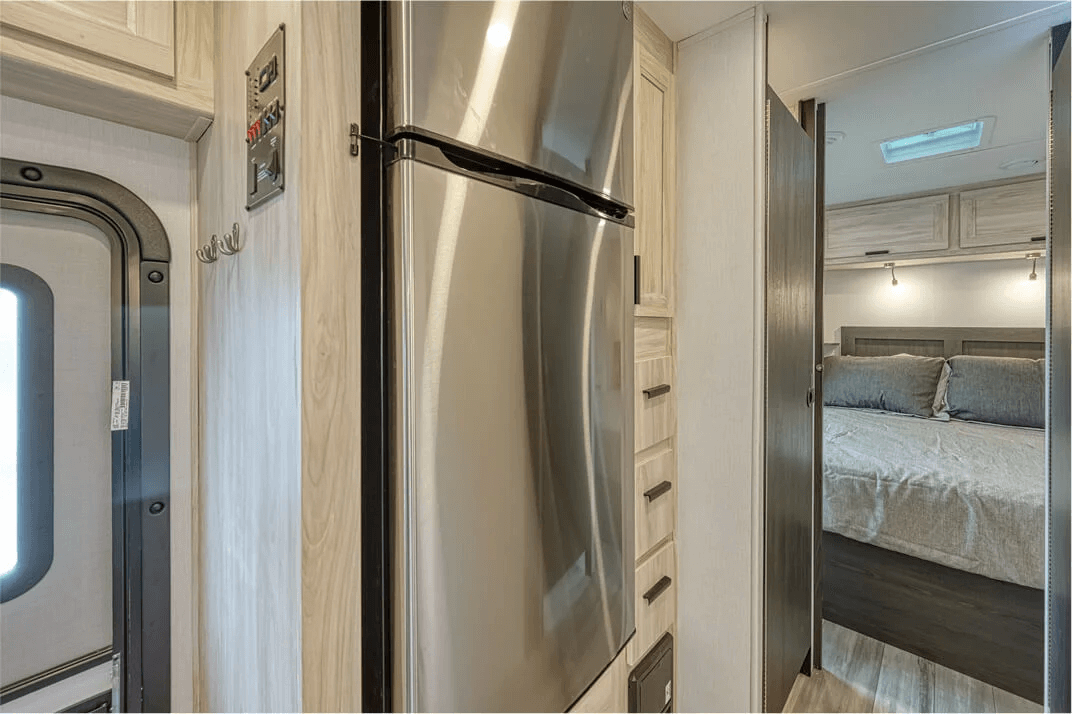
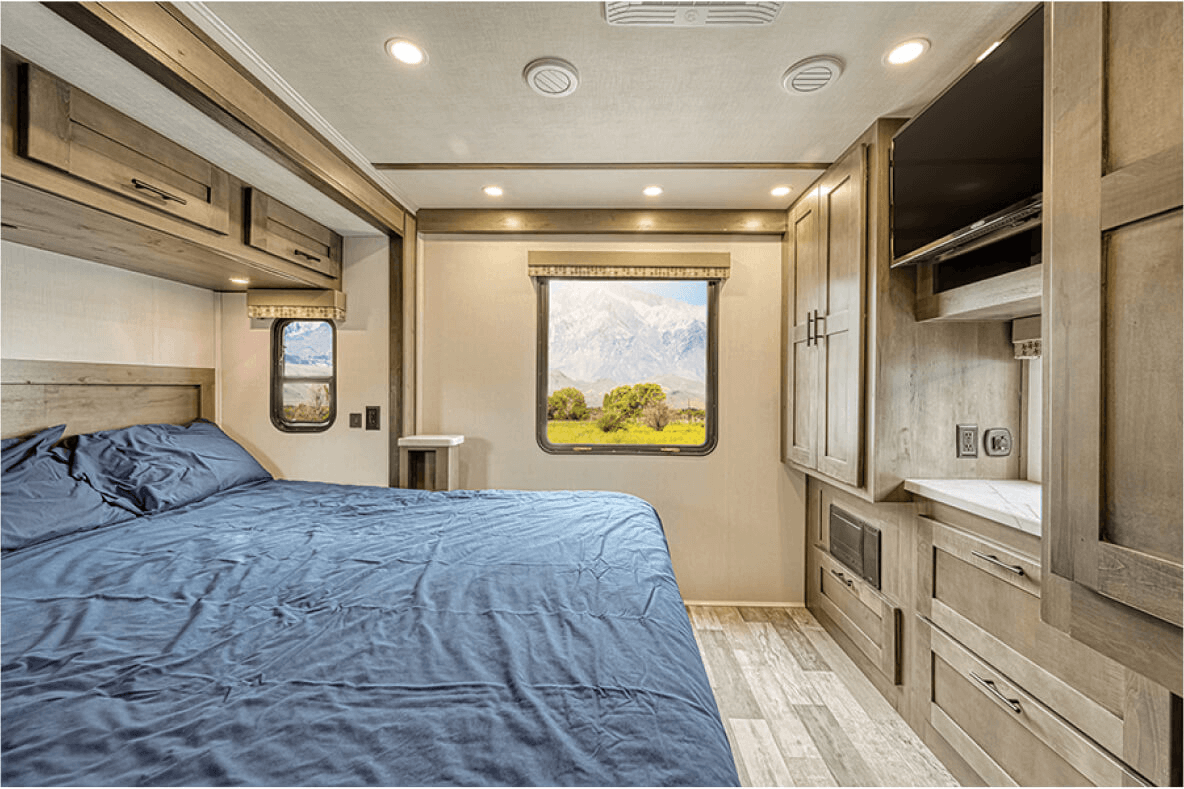
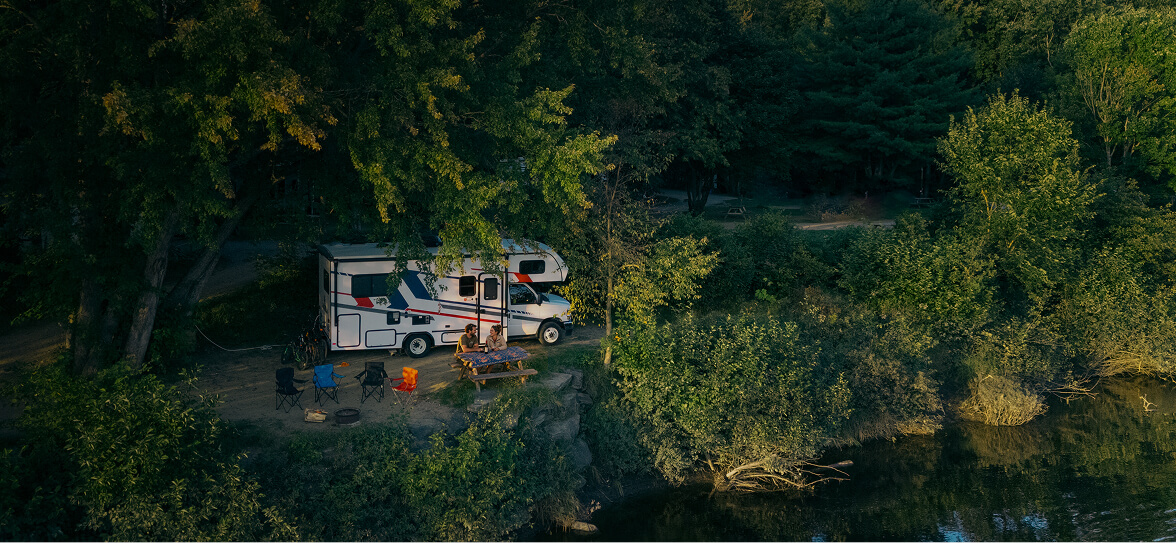
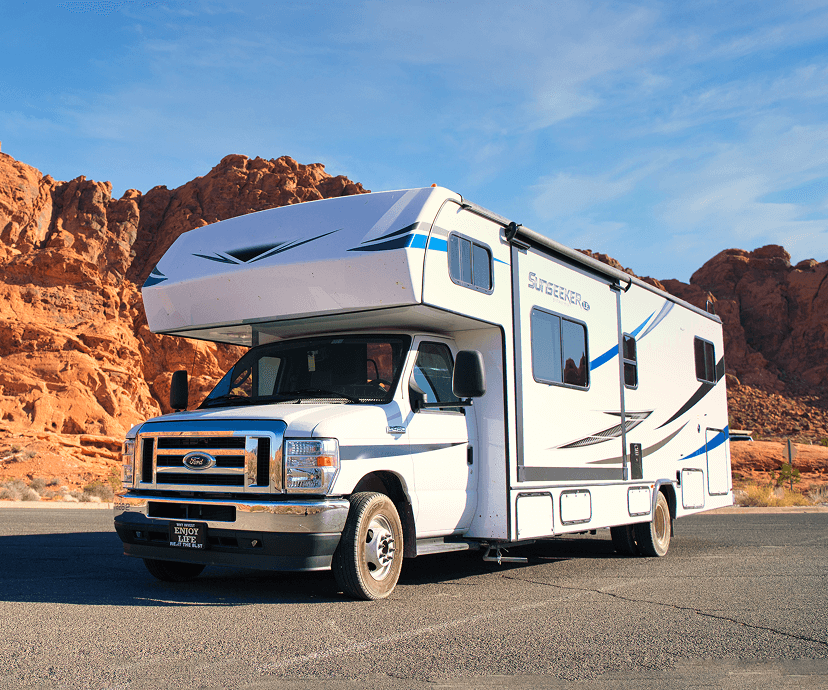
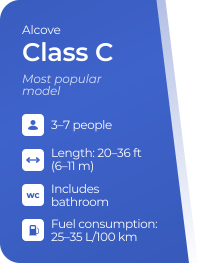
Class C — coachbuilt with an over-cab bed.
A versatile family format. The sleeping alcove sits above the cab, with a kitchen, bathroom and dining area inside. They sleep 3–7 and suit trips with children.
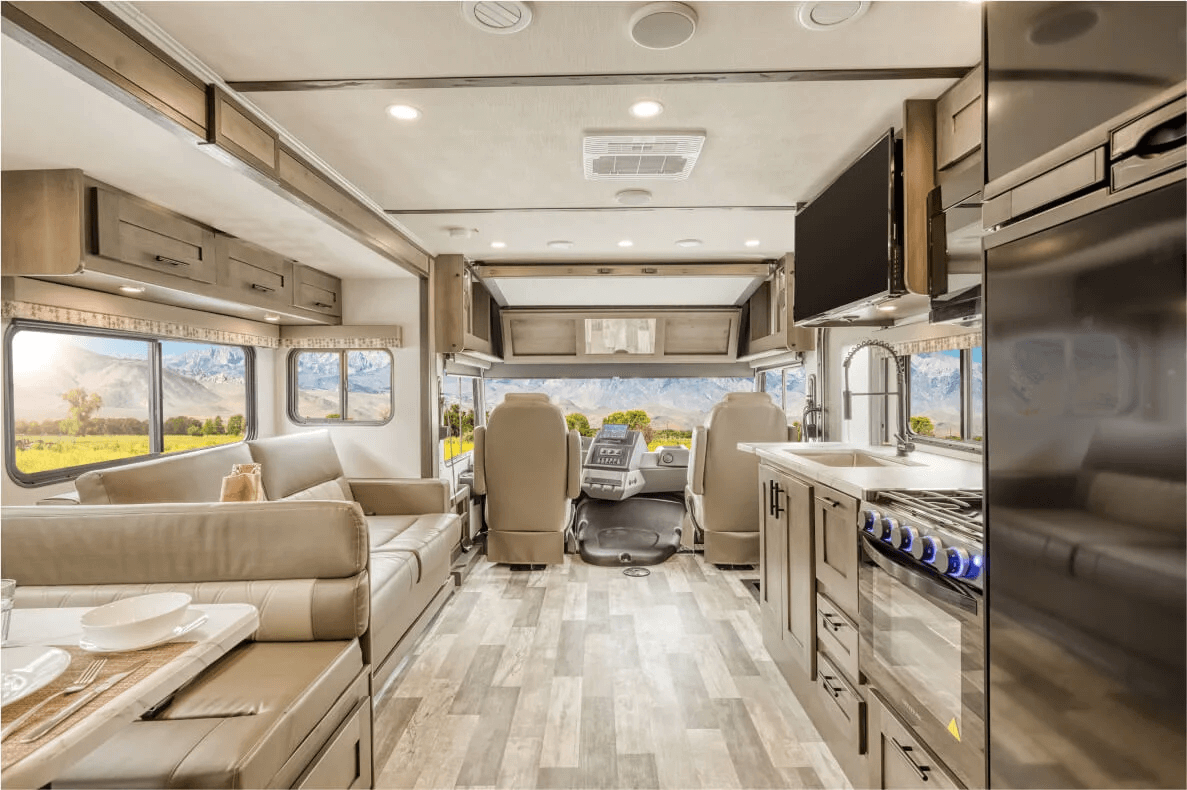
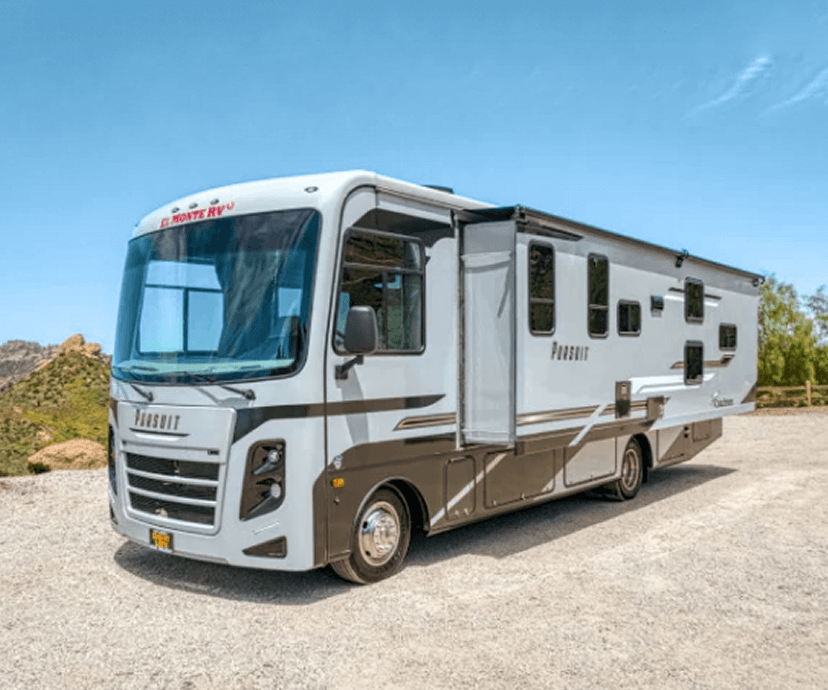
Class A — bus-style, one body.
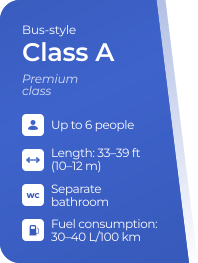
The most spacious vehicles, with a single body and a full living area. They take larger groups and deliver maximum comfort, but call for skill with a large vehicle, and for roomy parking spaces.

Founder of Great RV Trip, who has personally driven 20,000 km along the Pan-American Highway through 13 countries
Choosing a motorhome for Quebec takes more than counting berths. On Old Montreal's narrow cobbled streets a large Class A becomes a serious parking problem, so a compact Class B or Class C wins here. If you plan to drive the mountain passes of the Laurentians, assess the condition of the brake system and the engine's power output alongside the dimensions. You are always balancing comfort at the pitch against ease of handling on the road.





Travelling by motorhome since 2018
Quebec’s roads are excellent, and that is exactly what catches newcomers out. The Charlevoix area has steep descents, where driving a large Class A can be a test. Long gradients call for engine braking rather than constant use of the brakes. A compact Class C suits these routes better: it handles more easily and forgives mistakes. One more tip: from 1 December to 15 March winter tyres are required by law, and in November and April it is worth fitting them for the weather, even if no snow has fallen in the city yet.