




Motorhome travel
Motorhome travel
The discount is valid for bookings over 10 days
Motorhome rental
Leave your contacts so we can contact you
Route with Full Travel Support
We will create a personalized route tailored specifically to your wishes and interests. You’ll receive a detailed travel guide with descriptions of must-see attractions, up-to-date prices, and helpful tips. We’ll book your campsites in advance and mark convenient stopovers, so everything is planned for you.
Prefer spontaneous travel and making decisions on the go? We’ve got you covered with full support along the way. We’ll be in touch with you 24/7 to:
Find and book a great restaurant or tour along the route;
Help locate nearby service points, like water disposal or refueling stations;
Quickly adjust your route if you’re in the mood for new experiences.
With us, your journey will be easy, well-organized, and truly free.
Prefer spontaneous travel and making decisions on the go? We’ve got you covered with full support along the way. We’ll be in touch with you 24/7 to:
Find and book a great restaurant or tour along the route;
Help locate nearby service points, like water disposal or refueling stations;
Quickly adjust your route if you’re in the mood for new experiences.
With us, your journey will be easy, well-organized, and truly free.
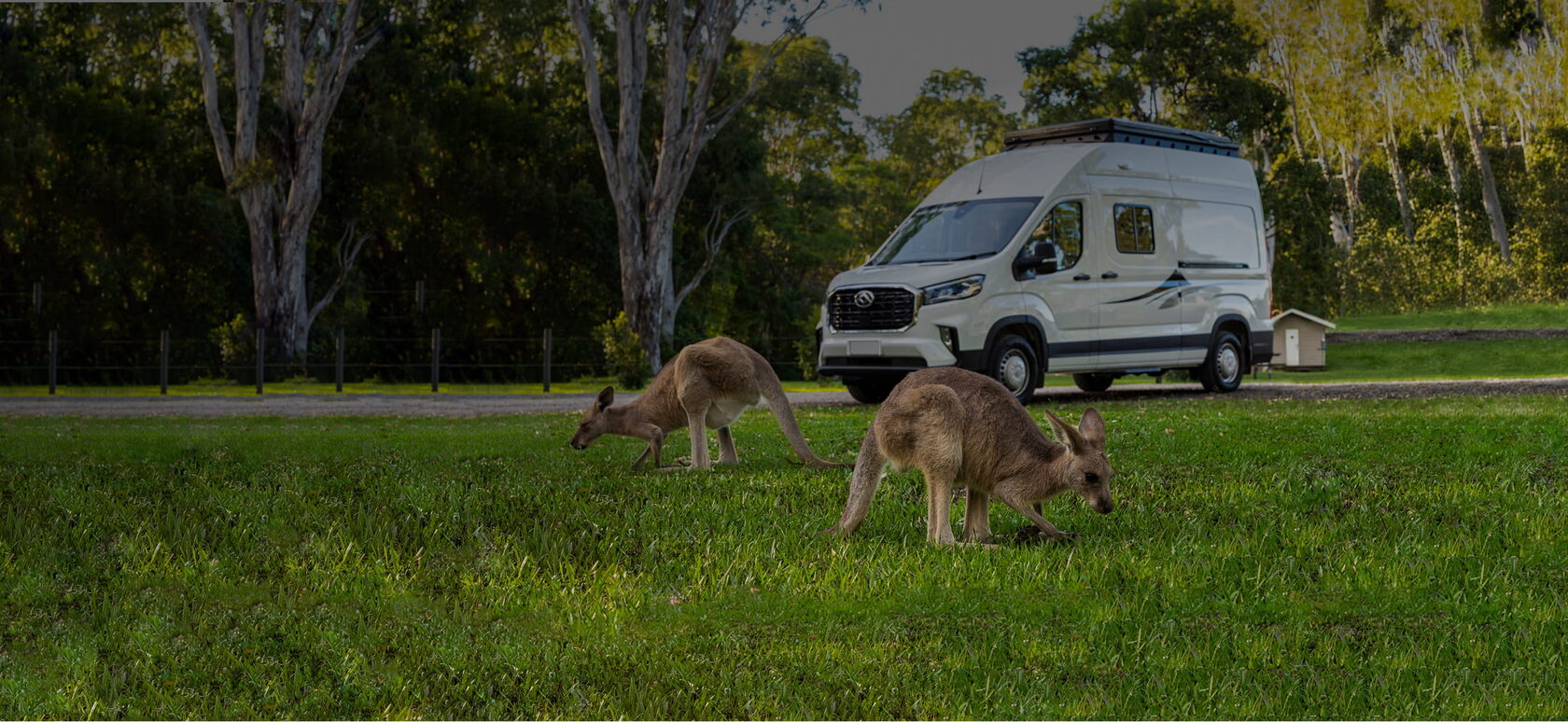
Australia covers several climate zones and a continent-sized road network. A 10-day loop along Western Australia’s Coral Coast can cover over 2,500 kilometres. A Red Centre route through Alice Springs, Kings Canyon and Uluru comes with different weather, roads and vehicle requirements.
We begin with the route and then match the vehicle to its distances, road conditions and overnight stops.
Great RV Trip helps international travellers compare campervan hire in Australia, choose a vehicle for their group and understand the rental terms before paying. Tell us your dates, starting city, group size and rough route. We will check suitable options with rental partners and help you see what the quote actually includes: insurance, bond, mileage, one-way fees, equipment and other extras.
We begin with the route and then match the vehicle to its distances, road conditions and overnight stops.
Great RV Trip helps international travellers compare campervan hire in Australia, choose a vehicle for their group and understand the rental terms before paying. Tell us your dates, starting city, group size and rough route. We will check suitable options with rental partners and help you see what the quote actually includes: insurance, bond, mileage, one-way fees, equipment and other extras.
Everything in one place

RV rental
Motorhome selection and booking
On-the-road support
We’re with you every step of the way
Route planning
Trip preparation
02
04
03
01
Consultations and guides















Ready-made and custom itineraries, campground bookings
Why Australia works so well by campervan
A slower route gives you time for the places between Australia’s cities: beaches, national parks, small towns, forests and outback landscapes. A campervan keeps accommodation and transport together and reduces the time spent checking in and out of hotels.
Australia also has a well-established camping culture. Depending on the region, you can use commercial holiday parks, caravan parks, national park campgrounds and designated low-cost or free camps. Overnight stays belong in places where the state, council or land manager allows them. The rules vary by location, and the sign at the entrance takes priority over a campsite app.
Australia also has a well-established camping culture. Depending on the region, you can use commercial holiday parks, caravan parks, national park campgrounds and designated low-cost or free camps. Overnight stays belong in places where the state, council or land manager allows them. The rules vary by location, and the sign at the entrance takes priority over a campsite app.
The country also gives you several very different trips:

-
 Follow the east coast from Sydney towards Cairns
 - Drive Victoria’s Great Ocean Road
- Cross the Red Centre between Alice Springs, Kings Canyon and Uluru
- Travel north from Perth towards Ningaloo
- Make a compact loop around Tasmania
- Choose a 4WD camper for approved outback roads
- A motorhome works especially well for a route built around nature and several overnight stops. A city-focused trip through central Sydney, Melbourne and other capitals often works more smoothly with a car and hotels. Large vehicles need more parking space, and a campground outside the centre gives you an easier base for visiting the city by public transport.
Which vehicle suits your route?
Australian rental sites use campervan for compact vehicles and motorhome for larger vehicles with a fuller living area. A caravan means a towable trailer, while camper is a common short name for a small campervan. Travellers who usually search for an RV rental will see these local category names during the booking process.
The right category depends on four things: legal travelling seats, sleeping layout, bathroom expectations and the roads on your route.
The right category depends on four things: legal travelling seats, sleeping layout, bathroom expectations and the roads on your route.
Vehicle type
Usually suits
Typical facilities
Works well for
Main trade-off
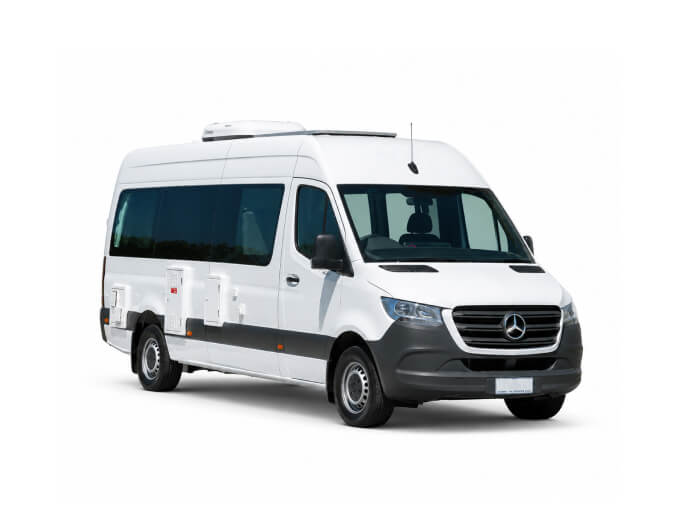
Compact campervan
1–2 travellers
Bed conversion and basic cooking setup; an internal
bathroom is uncommon
Shorter trips, couples, solo travellers and easier
city driving
Limited storage and living space
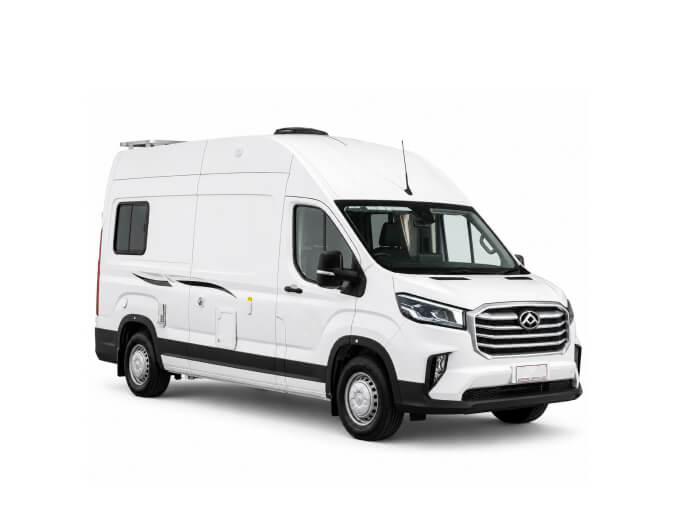
Hi-top campervan
2–3 travellers, depending on model
Standing room, kitchen area and more storage;
bathroom depends on model
Longer trips where a compact van feels too tight
Taller than a standard van and usually uses more fuel
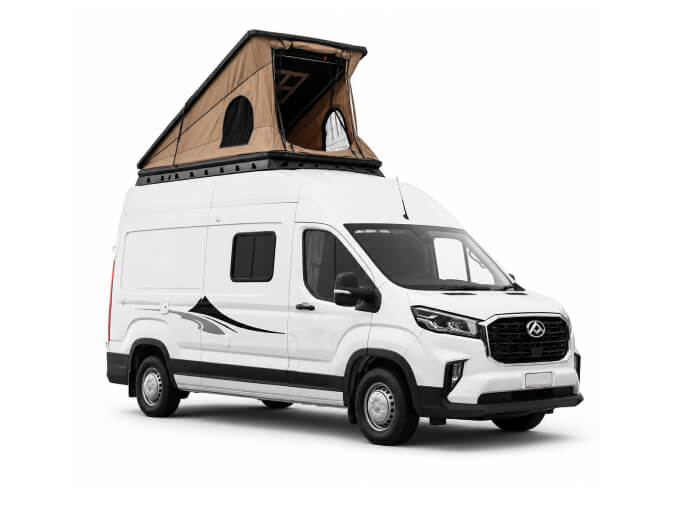
Pop-top campervan
Usually 2–4 travellers, depending on layout
Roof raises at camp to create headroom or an extra
sleeping area
Travellers who want a lower driving profile with more
space at night
The roof must be closed before driving; layouts vary widely
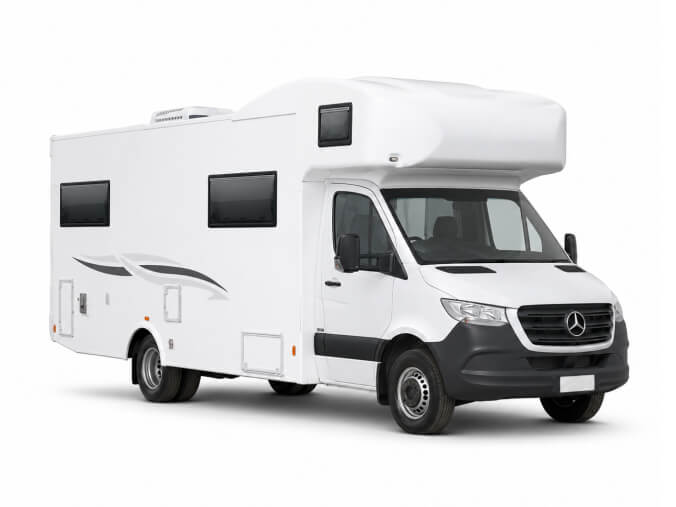
Motorhome
2–6 travellers
Fixed or convertible beds, kitchen and, in many models,
a shower and toilet
Families, groups and longer trips with higher comfort
expectations
Higher hire and fuel costs; more care needed with height,
length and parking
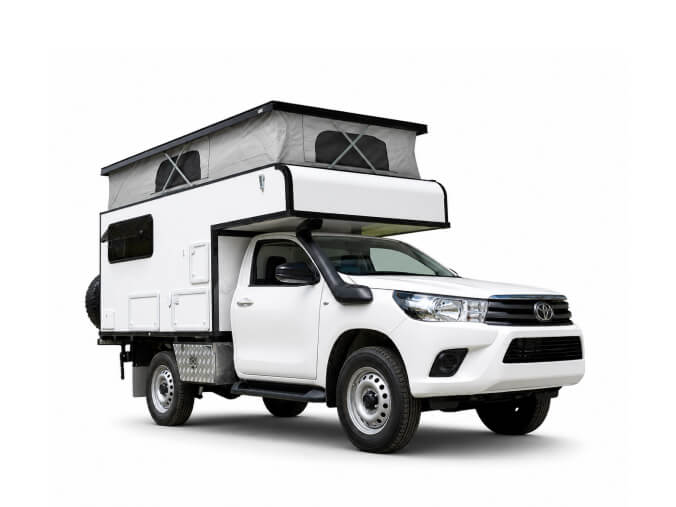
4WD camper
Usually 2–4 travellers
Compact sleeping and cooking setup; bathroom facilities
vary and are often external
Approved outback routes, remote areas and selected
unsealed roads
Less indoor living space; road restrictions still apply
Planning a trip for seven or eight people?
Eight-berth motorhomes are uncommon in Australian rental fleets. Bed count, legal belted seats and comfortable adult capacity are three separate figures. For a larger group, two smaller vehicles often provide more luggage space, easier driving and a better sleeping layout than one very large motorhome.
What about electric campervans?
Electric campervan rentals exist in limited locations, but availability is still much narrower than for petrol or diesel vehicles. Before choosing one, check the real driving range, charging network, campground charging rules and the distance between services on your route.
Choose the vehicle around the route
Start with the number of legal seats and beds, then check the details that affect everyday life: internal height, bed sizes, kitchen, fridge, shower, toilet, air conditioning, child-seat compatibility and luggage space.
A vehicle that looks generous for two people can feel cramped once you add four suitcases. For six adults on a three-week trip, check the bed dimensions, seating plan, luggage storage and floor space before choosing a six-berth model.
A vehicle that looks generous for two people can feel cramped once you add four suitcases. For six adults on a three-week trip, check the bed dimensions, seating plan, luggage storage and floor space before choosing a six-berth model.
Planning the Kimberley, Kakadu or another remote route?
Choose the 4WD category from the exact roads listed in your route and rental agreement. Some routes require written approval, permits or a particular 4WD category. Rental contracts also list roads that remain prohibited for every vehicle class. Wet-season closures can change the route completely.
Six Australia campervan routes worth planning properly
Route: ~2700 km
Duration: 14–21 days
Duration: 14–21 days
Route: ~380 km
Duration: 3–5 days
Duration: 3–5 days
Route: ~670 km
Duration: about 7 days
Duration: about 7 days
Route: ~1800 km
Duration: 10–14 days
Duration: 10–14 days
Route: ~1300 km
Duration: 10–14 days
Duration: 10–14 days
Route: ~14000 km
Duration: allow several months
Duration: allow several months

Sydney to Cairns
This is the classic east-coast campervan route: Byron Bay, the Gold Coast, the Sunshine Coast, Noosa, the Whitsundays and Tropical North Queensland. The full drive is well over 2,000 kilometres before detours, so two weeks is a brisk trip and three weeks gives you a better rhythm.
The route works in a compact campervan or motorhome, depending on the group. Add rest days for reef trips, beach stops and national parks, and check the seasonal weather as you move north.
The route works in a compact campervan or motorhome, depending on the group. Add rest days for reef trips, beach stops and national parks, and check the seasonal weather as you move north.

Great Ocean Road
From Melbourne, drive towards Torquay, Lorne, Apollo Bay, the Otways, the Twelve Apostles and Port Fairy or Warrnambool. The distances look modest, but the road is winding and you will stop often. Three days covers the core route; four or five feels less rushed.
A smaller campervan is easier at viewpoints and on narrower sections. Check campground size limits because some national park sites accept vehicles only up to a stated length.
A smaller campervan is easier at viewpoints and on narrower sections. Check campground size limits because some national park sites accept vehicles only up to a stated length.

Red Centre Way
Alice Springs, the West MacDonnell Ranges, Kings Canyon and Uluru form a strong one-week route. The full Red Centre Way itinerary is around 1,360 kilometres.
There is an important vehicle decision here. The Mereenie Loop section is unsealed and requires a suitable 4WD plus the relevant permit and rental approval. You can still connect the main places in a 2WD motorhome using the sealed highways, but the route becomes longer. April to October is usually more practical than the hottest months.
There is an important vehicle decision here. The Mereenie Loop section is unsealed and requires a suitable 4WD plus the relevant permit and rental approval. You can still connect the main places in a 2WD motorhome using the sealed highways, but the route becomes longer. April to October is usually more practical than the hottest months.

Perth, Ningaloo and the Coral Coast
A return loop from Perth through Geraldton, Kalbarri, Shark Bay, Coral Bay and Exmouth can exceed 2,500 kilometres. Ten days is possible, but several stages are long. Add days if you want time for Ningaloo, Cape Range and slower coastal stops.
This route works in a standard campervan on the main sealed road. Some side trips, beach access points and remote park roads need a different vehicle or are off-limits under rental terms.
This route works in a standard campervan on the main sealed road. Some side trips, beach access points and remote park roads need a different vehicle or are off-limits under rental terms.

Tasmania loop from Hobart
Tourism Australia maps a seven-day loop of roughly 1,376 kilometres through Freycinet, the Bay of Fires, Launceston, Stanley, Cradle Mountain and Strahan. In a campervan, ten to fourteen days is a kinder plan: Tasmania’s roads can be slower than the map suggests, and the walks are the point of the trip.
A compact or mid-sized campervan usually fits the island well. In peak summer, popular campgrounds and ferry travel to Tasmania need early planning.
A compact or mid-sized campervan usually fits the island well. In peak summer, popular campgrounds and ferry travel to Tasmania need early planning.

A full lap of Australia
Thirty days gives you time for one large region. A full circuit of the continent requires several months, with room for very long distances, different climate windows, vehicle servicing and seasonal road access. For long-term campervan rental in Australia, begin with the time available and choose the direction of travel from the weather windows along the route.
How to handle Australia’s major cities in a motorhome
Use the major cities as starting points, finishing points or short stops. A holiday park in the wider metropolitan area gives you a base for visiting the centre by train, tram, bus or ferry.
Sydney
Leave the motorhome at a holiday park in the wider metropolitan area, check the public transport connection and travel to the Opera House, Harbour Bridge and coastal neighbourhoods by train, bus or ferry.
Melbourne
Central Melbourne is better explored on foot and by tram. Use the campervan for the Great Ocean Road, Phillip Island, the Yarra Valley or regional Victoria. During major events such as the Australian Open, accommodation and campgrounds can fill earlier than usual.
Brisbane
Brisbane is a useful base for the Gold Coast, Sunshine Coast, Noosa and the Scenic Rim. Visit South Bank and the centre from a suburban campground, choosing its location from the direction you plan to take after Brisbane.
Perth
Perth is the main launch point for Western Australia campervan hire. Visit Kings Park and Cottesloe before heading north towards the Coral Coast or south towards Margaret River and the forests around Pemberton. Stock up before a remote leg; shops and fuel become less frequent outside the main centres.
Adelaide
Adelaide works well at the start of a route towards the Barossa Valley, Fleurieu Peninsula, Kangaroo Island connection or the long road north. Leave the motorhome at your campground when visiting the compact city centre and Glenelg.
Hobart
Hobart is the natural start for a Tasmania loop. Salamanca, MONA and kunanyi / Mount Wellington can fill a couple of days before collection or after return. Confirm vehicle access and parking before driving uphill or into busy central streets.
Darwin
Darwin is the gateway to the Top End, including Kakadu and Litchfield. The dry-season Mindil Beach Sunset Market is a useful first-night stop, but the bigger decision is the vehicle: a 2WD motorhome can cover many sealed routes, while selected remote tracks require an approved 4WD.
Build the trip around a season or event
Events can improve a route, but they also affect campervan availability and campground demand.
How much does campervan hire in Australia cost?
Nightly rates change with the city, dates, rental length, vehicle class, route direction and remaining fleet. A compact two-berth campervan in a quiet period sits in a different price category from a six-berth motorhome during the summer school holidays. A live quote gives a more useful figure than a national average.
For a month-long campervan rental in Australia, a long-hire rate may reduce the daily rental cost. The trip budget still grows with fuel, campground nights and total distance. Compare the complete quote and expected route costs because a low advertised daily rate can lead to a higher final total.
For a month-long campervan rental in Australia, a long-hire rate may reduce the daily rental cost. The trip budget still grows with fuel, campground nights and total distance. Compare the complete quote and expected route costs because a low advertised daily rate can lead to a higher final total.
What changes the rental price?
- pick-up and return dates;
- city and one-way direction;
- campervan or motorhome category;
- rental length;
- driver age;
- insurance or liability-reduction package;
- bond or liability deposit;
- mileage policy;
- extra drivers;
- personal and kitchen kits;
- child seats;
- outdoor table and chairs;
- cleaning, gas and location fees;
- current vehicle availability.
What sits outside the rental quote?
Budget separately for fuel, tolls, campgrounds, groceries, activities, park entry where applicable and transport between the airport and rental branch. Many campervan branches sit in commercial areas near the airport and require a shuttle, taxi or public-transport transfer from the terminal.
How Great RV Trip compares quotes
We look beyond the headline daily rate. Two offers can appear similar until you compare the excess, bond, included equipment, one-way charge and road restrictions. Through partner conditions, a Great RV Trip quote may sometimes be lower than booking directly, but the result depends on the supplier and dates.
Rental conditions to check before you pay
Driver age
Minimum age varies across the rental market. Some compact campervan fleets accept drivers from 18, while many larger motorhomes require the driver to be at least 21. Young-driver fees, licence history and vehicle restrictions may also apply.
Driving licence
International visitors can generally drive on a valid overseas licence while they meet the rules of the state or territory. A licence issued in another language usually needs to be carried with the original document and an accepted English translation or International Driving Permit. The rental company may set additional document requirements, so check both the local rule and the supplier’s terms.
Bond, liability and insurance
A rental usually has a liability amount or insurance excess. The supplier may pre-authorise or charge a bond to the main driver’s card. An optional reduction package can lower the liability. Its exclusions often cover specific areas such as the roof, underbody, tyres, windscreen, water damage, single-vehicle accidents or driving on restricted roads.
Mileage
Mileage policies vary. Many standard rentals include unlimited kilometres, while some budget products, special deals, relocations and 4WD rentals include a fixed allowance. Check the included kilometres and excess-kilometre rate.
Minimum hire
The minimum rental period depends on the supplier, vehicle, dates and direction. Peak periods and one-way routes can have longer minimums. The quote should confirm the permitted rental length for the selected vehicle.
Pick-up inspection
Allow time at the branch. Check existing damage, roof height, fuel type, water and waste systems, awning rules, tyre-changing procedure and the emergency contact process. Make sure every driver is listed in the agreement.
One-way campervan rental in Australia
A one-way hire means collecting the campervan in one city and returning it in another. It saves the return drive and can make a long route more logical, especially when time is limited.
Common route ideas include:
Availability is directional. A supplier may need more vehicles travelling south at one time of year and north at another. One-way fleets cover selected vehicle categories and depot pairs, and a location or one-way fee may apply. Remote depots can also have seasonal opening dates and longer minimum hires.
Before booking, compare the one-way fee with the fuel, campground nights and time required to return to the start. Sometimes the fee is worth paying. Sometimes a loop is simpler.
Common route ideas include:
- Sydney to Melbourne;
- Brisbane to Cairns;
- Adelaide to Darwin;
- Perth to Broome;
- the same routes in reverse.
Availability is directional. A supplier may need more vehicles travelling south at one time of year and north at another. One-way fleets cover selected vehicle categories and depot pairs, and a location or one-way fee may apply. Remote depots can also have seasonal opening dates and longer minimum hires.
Before booking, compare the one-way fee with the fuel, campground nights and time required to return to the start. Sometimes the fee is worth paying. Sometimes a loop is simpler.
When to travel by campervan in Australia
Each Australian region has its own practical travel window. Choose the region first, then match the dates to its climate.
-
 Southern Australia and TasmaniaDecember to February brings warmer weather and high demand, particularly around Christmas, New Year and school holidays. Spring and autumn can offer milder driving and walking conditions, but the weather still changes quickly. Winter is cooler and wetter in many southern areas, and alpine routes may need extra planning.
 -
 Tropical NorthThe dry season, broadly May to October, is usually the more practical window for Darwin, Kakadu, the Kimberley and much of Tropical North Queensland. The northern wet season runs roughly from October to April, while the official Australian tropical cyclone season is 1 November to 30 April. Heavy rain can close roads and campgrounds.
 -
 Red CentreApril to October usually gives more manageable daytime temperatures around Alice Springs, Kings Canyon and Uluru. Nights can be cold. Summer heat changes the daily schedule and can lead to walking-track restrictions.
 -
 East and west coastsThe right month depends on how far north the route goes. Cairns and Exmouth follow different seasonal patterns from Sydney and Melbourne. For a long trip across climate zones, choose a direction that keeps the journey in manageable temperatures and drier conditions.

Practical note
Weather, bushfire risk and road closures can change quickly. Check official state road and park alerts again shortly before each remote leg.
Where to buy food and camping equipment
Do the large shop before leaving the city. It is usually cheaper and gives you more choice than buying everything at a remote roadhouse.

- Coles and Woolworths: the main supermarket chains in cities and many regional centres.
- ALDI: a useful budget option in the cities and regions covered by its store network.
- IGA and local supermarkets: common in smaller towns; prices and range vary.
- Farmers’ markets: good for local produce, bread and regional food, but opening days vary.

- Bunnings Warehouse: hardware, tools and some outdoor supplies.
- BCF and Anaconda: camping, outdoor and travel equipment.
Before buying gas equipment, chemicals or electrical accessories, check what the rental company allows and which fittings the vehicle uses. Any modification or attached equipment requires the supplier’s permission.
For a remote route, stock water and food according to the distance between services. Also check opening hours: a fuel station or small-town supermarket may close earlier than you expect.
For a remote route, stock water and food according to the distance between services. Also check opening hours: a fuel station or small-town supermarket may close earlier than you expect.
Where can you stay overnight?
Holiday parks and caravan parks
These are the easiest option for first-time travellers. They may offer powered sites, water, showers, toilets, laundry, camp kitchens and dump points. Facilities and prices vary. Networks such as BIG4, Discovery Parks and NRMA Parks cover many regions, alongside independent parks.
National park campgrounds
Each state and territory manages its own park system, while Parks Australia manages selected Commonwealth national parks. Some campgrounds are free, some charge a fee, and many require advance booking. Check the correct park authority along with vehicle-length limits, road access, water and campervan acceptance.
Designated free and low-cost camps
Designated free and low-cost camps are common in some regional areas. Their signs define the permitted use. A roadside rest area may allow an overnight rest while reserving chairs, awnings and longer stays for formal campgrounds. Council signs and local rules take priority over an app listing
Dump points
Use authorised dump points for toilet waste and grey water where required. Many holiday parks have them, along with selected towns and service areas. Check the facility list before arrival.
How self-contained vehicle rules work in Australia
The nationwide self-contained vehicle certification system belongs to New Zealand. In Australia, individual campsites and local authorities set their own requirements. Some locations accept only vehicles with an onboard toilet or waste-water capacity, so read the conditions for the exact place.
Useful apps and official resources
- WikiCamps Australia: campground, caravan park, dump point and facility listings, with community updates and offline use.
- CamperMate: another planning tool for campsites and road-trip facilities.
- Fuel Map Australia: user-contributed fuel prices and station locations.
- Emergency+: a free app developed by Australian emergency services and partners. It helps a Triple Zero (000) caller provide location details. Emergency calls still depend on available network coverage.
- Google Maps or another offline map: download the region before leaving coverage. The rental agreement remains the source for permitted roads.
- Official state road reports: use the relevant live traffic or road-condition service — Live Traffic NSW, QLDTraffic, Main Roads WA Travel Map, Road Report NT — and the equivalent official service for other regions.
- Official park websites: check the individual state or territory park authority, plus Parks Australia for the Commonwealth parks it manages.
An app can help you find a place. The sign at the entrance tells you whether you can legally stay there today.
Driving a campervan in Australia
Keep left
Australia drives on the left. The first hour after collecting the vehicle deserves your full attention, especially after a long flight. If you are badly jet-lagged, spend the first night in the arrival city and collect the campervan the next morning.
Use the posted speed limit
Speed limits vary by road, state and vehicle. Built-up areas often use 50 km/h unless signed otherwise; open-road limits vary, and selected Northern Territory highways are signed up to 130 km/h. Wind, rough surfaces and a tall vehicle may call for a lower speed than the posted maximum.
Avoid wildlife hours when possible
Kangaroos and other animals are more active around dawn, dusk and at night. Reduce speed and avoid remote night driving where practical. Swerving sharply in a tall vehicle can create a second danger.
Give road trains room
Road trains can exceed 50 metres in length. Keep a safe distance, expect wind and dust, and overtake only when the road ahead is fully visible and the manoeuvre is legal. A blind bend or crest removes the visibility needed for a safe pass.
Treat fuel stops as part of the route
In remote Australia, the next station may be much farther away than it appears on a city-based map, and opening hours can be limited. Know the vehicle’s range, confirm fuel availability and refill with a sensible reserve.
Check every unsealed road
Many 2WD rental agreements restrict unsealed roads, with narrow exceptions for short access roads to recognised campgrounds. A 4WD rental agreement also contains permitted and prohibited roads. Get written approval where required and check for closures.
Slow down for corrugations, gravel and bull dust
Leave more space, use headlights when visibility drops and stay clear of another vehicle’s dust cloud. Surface conditions can change after rain.
Plan city parking before arrival
Know the vehicle’s height and length. Avoid underground car parks unless the clearance is unquestionably sufficient. In large cities, a campground and public transport usually make more sense than central overnight parking.
Build the route around daylight and rest
Long straight roads still create fatigue. Add stops, change drivers where possible and keep daily distances realistic. In a campervan trip, arriving with daylight left is part of the plan.
Frequently asked questions
A standard car licence is often enough for common campervans and motorhomes. The permitted vehicle weight and supplier rules determine the answer for each model. Carry your original licence; a licence issued in another language may also require an accepted English translation or International Driving Permit.
It depends on the fleet. Some compact campervans may be available to drivers from 18, while many motorhomes require a minimum age of 21. A young-driver fee, minimum licence period or restricted vehicle choice may apply.
Some standard 2WD rentals include unlimited kilometres. Certain budget rates, relocations and 4WD vehicles use fixed allowances. Read the quote for included mileage and the cost of additional kilometres.
Pets are accepted by selected suppliers and vehicle categories. The written permission, cleaning fee and additional conditions should appear in the booking terms.
Use the supplier’s roadside-assistance or emergency number and follow the rental agreement. Great RV Trip can help you understand who to contact and stay involved with booking-related questions, but mechanical assistance is provided under the supplier’s policy.
Use designated sites and check current council or land-manager rules. A beach car park, city street or roadside pull-off becomes an overnight option only when signs or official rules clearly permit it. Apps are useful for discovery; signs and official rules decide.
It depends on the vehicle, route, fuel type and driving style. Ask for the model’s indicative fuel consumption, estimate the full route with detours and add a reserve for remote prices. A large motorhome can use substantially more fuel than a compact campervan.
Start with established holiday or caravan parks, then compare recent reviews, access hours, public transport and the size of the site. Preview the final approach and choose roads that suit the motorhome’s height, width and turning radius.
For Christmas, New Year, school holidays, popular national parks and major events, book as soon as your route is stable. Outside peak dates, keep some flexibility, but reserve the difficult nights first: weekends, coastal parks and places with very limited capacity.
Only if the agreement permits it. Many 2WD vehicles are restricted to sealed roads, apart from defined access exceptions. 4WD rentals have a wider range but still include prohibited roads, seasonal closures and permission-only areas.
The excess or liability is the amount you may owe under the damage terms. The bond is the amount charged or pre-authorised as security. A reduction package can lower the liability, but exclusions remain. Compare roof, underbody, tyre, windscreen and single-vehicle damage conditions.
Depot collection is the standard model. Selected local or private operators may offer delivery. Confirm the collection format, branch address, opening hours and transfer from the airport.
Plan your Australia road trip
Complete 3 quick steps and we’ll help you find the right vehicle.

E-mail: info@greatrvtrip.com




Contact us. We will answer the questions, help with the choice
We will answer your questions and help you choose
Contact us
GREAT RV TRIP Inc.
Address:
2093 PHILADELPHIA PIKE #7170
CLAYMONT, DELAWARE 19703, USA
© GREAT RV TRIP, 2017–2026
Motorhome travel agency
Let's go on an adventure!
Address:
2093 PHILADELPHIA PIKE #7170
CLAYMONT, DELAWARE 19703, USA
© GREAT RV TRIP, 2017–2026
Motorhome travel agency
Let's go on an adventure!
Manage cookies
We use cookies and similar technologies to improve your browsing experience, analyze site traffic and serve targeted advertisements.
For more details, read our Privacy & Data Protection Policy and Cookies Policy.
We use cookies and similar technologies to improve your browsing experience, analyze site traffic and serve targeted advertisements.
For more details, read our Privacy & Data Protection Policy and Cookies Policy.