











RV Rental in Las Vegas

    Leave a number with WhatsApp / Telegram
    Las Vegas is a practical starting point for an RV trip across the American Southwest. Zion, Death Valley, the Grand Canyon, Bryce Canyon and the parks of southern Utah are all within a day’s drive. The city is served by several major rental depots and campervan operators.

    Great RV Trip will match the RV to your route, group size and travel dates. We compare suitable models and rental companies, then check mileage, insurance, generator use, the security deposit and one-way availability. Send us your pickup and return cities, dates and group details, and we will prepare options with the mandatory charges clearly itemised.

    Everything in one place

    RV rental

    Motorhome selection and booking

    On-the-road support

    We’re with you every step of the way

    Route planning

    Trip preparation

    02
    04
    03
    01
    Consultations and guides
    Ready-made and custom itineraries, campground bookings

    Why start your RV trip in Las Vegas

    • Las Vegas sits at a useful crossroads for Nevada, Arizona, Utah and California. Allow roughly 2.5−3 hours to Zion, 2−2.5 hours to Death Valley, around 4 hours to Bryce Canyon and 4.5−5 hours to the Grand Canyon South Rim before longer stops. An RV usually takes more time than a car: climbs are slower, fuel stops take longer and queues can form at popular park entrances.
    • The city is also a good place to prepare. You can buy water and groceries, collect missing equipment, refill propane, check tyre pressure and spend the first night at an RV park with hookups. For a first-time renter, learning how the water, electricity and waste systems work near the city is much easier than doing it for the first time after dark at a remote campground.
    • International travellers should consider a hotel for the arrival night. A delayed long-haul flight can make you miss the rental station’s opening hours, and El Monte specifically recommends collecting the RV the following day after a medium- or long-haul flight. It also gives the driver time to recover before handling a large unfamiliar vehicle.
    • If the trip ends in another state, ask about a one-way rental. Los Angeles, San Francisco, Phoenix, Denver and Salt Lake City are common requests, but availability depends on the company, model and where its fleet needs to be on your dates.
    • Las Vegas itself can still be part of the itinerary. See a show, spend an evening on the Strip or attend a major event, then leave the RV at a proper RV park and use a taxi, rideshare or public transport. Hotel garages often have low clearances, and a large Class C or Class A is awkward in dense traffic.

    Which RV type should you choose?

    The right vehicle depends on the route, group size, driving confidence and comfort expectations.

    Class C

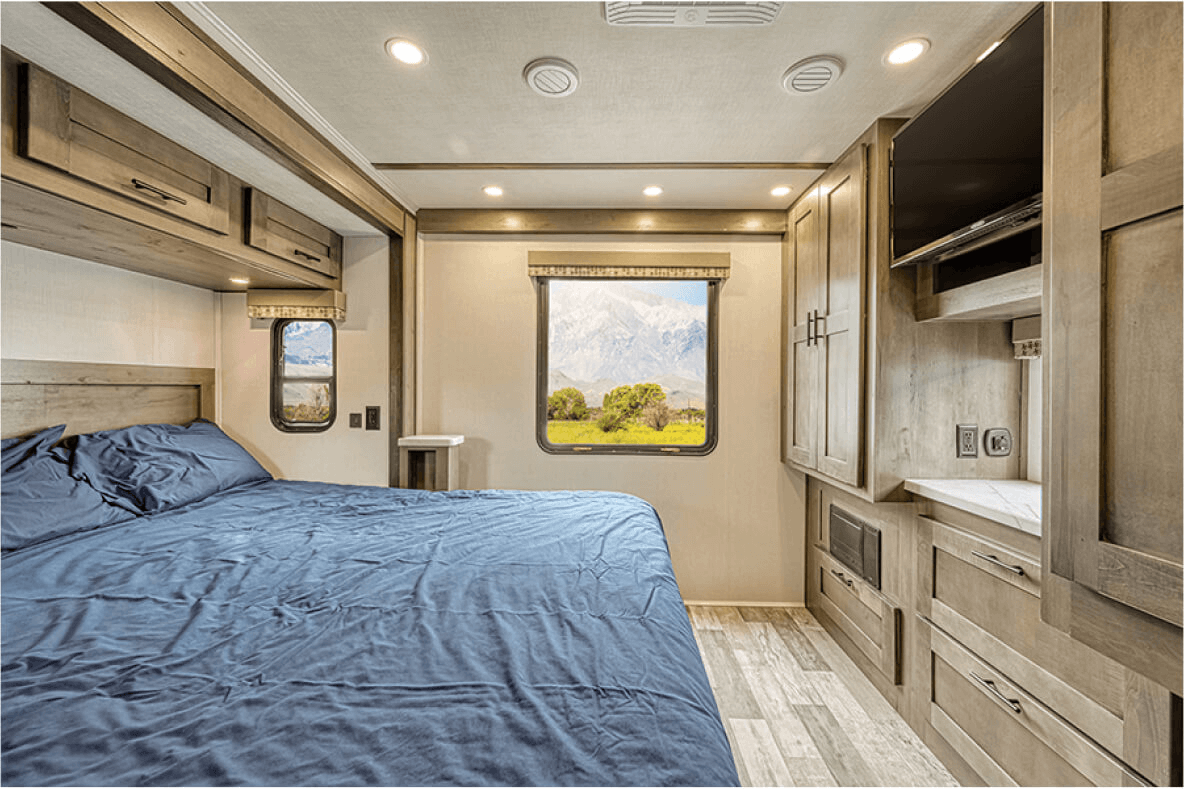
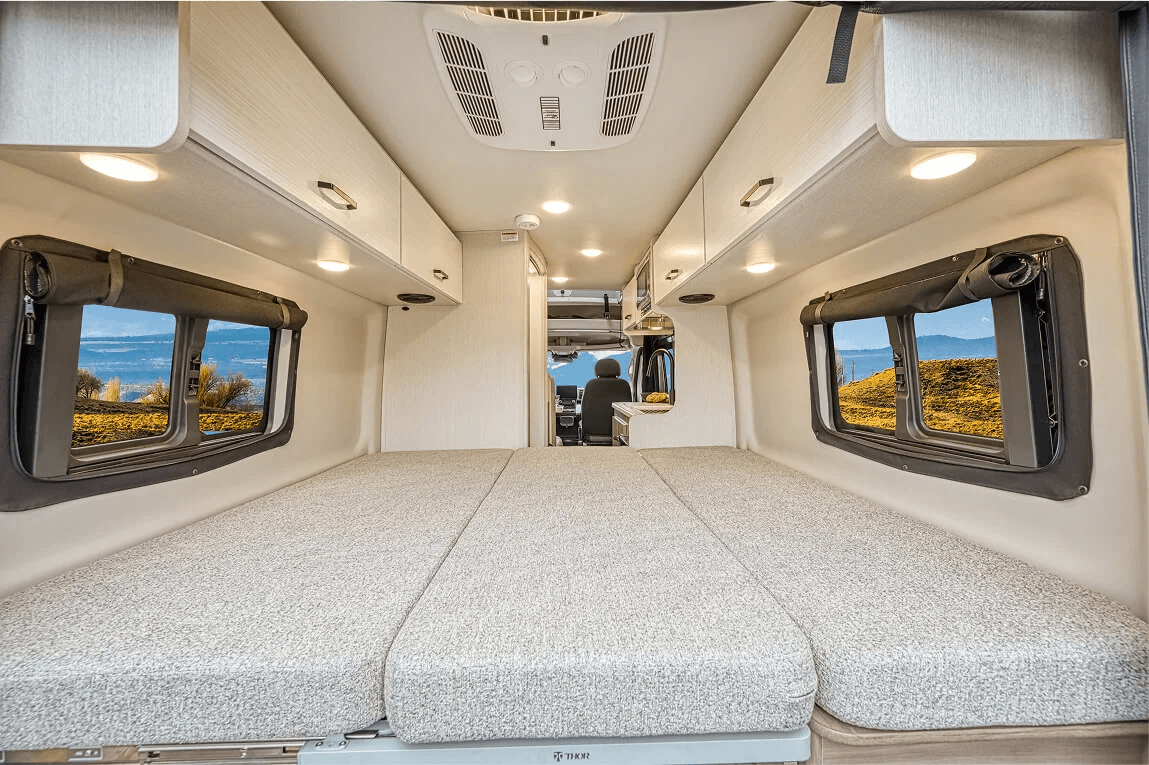
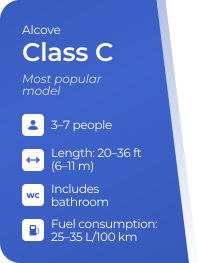
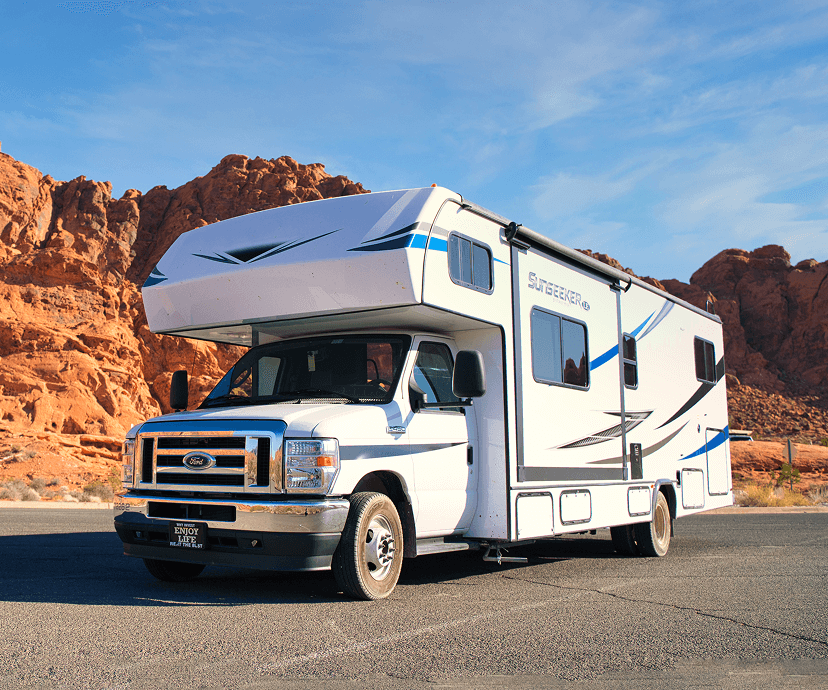
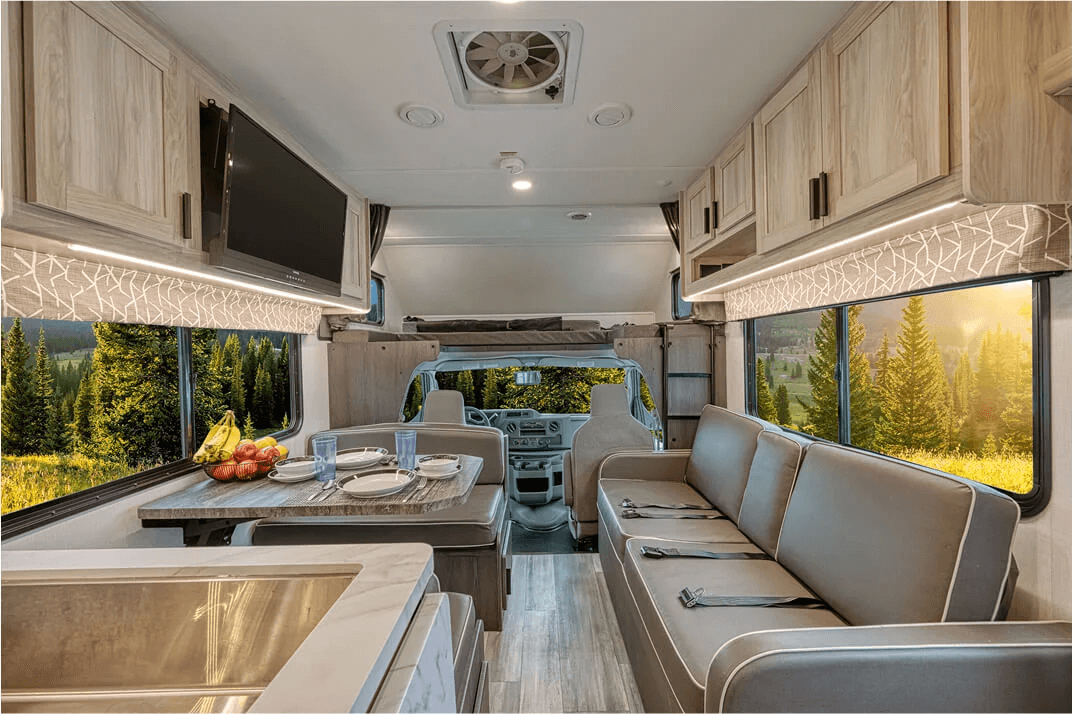
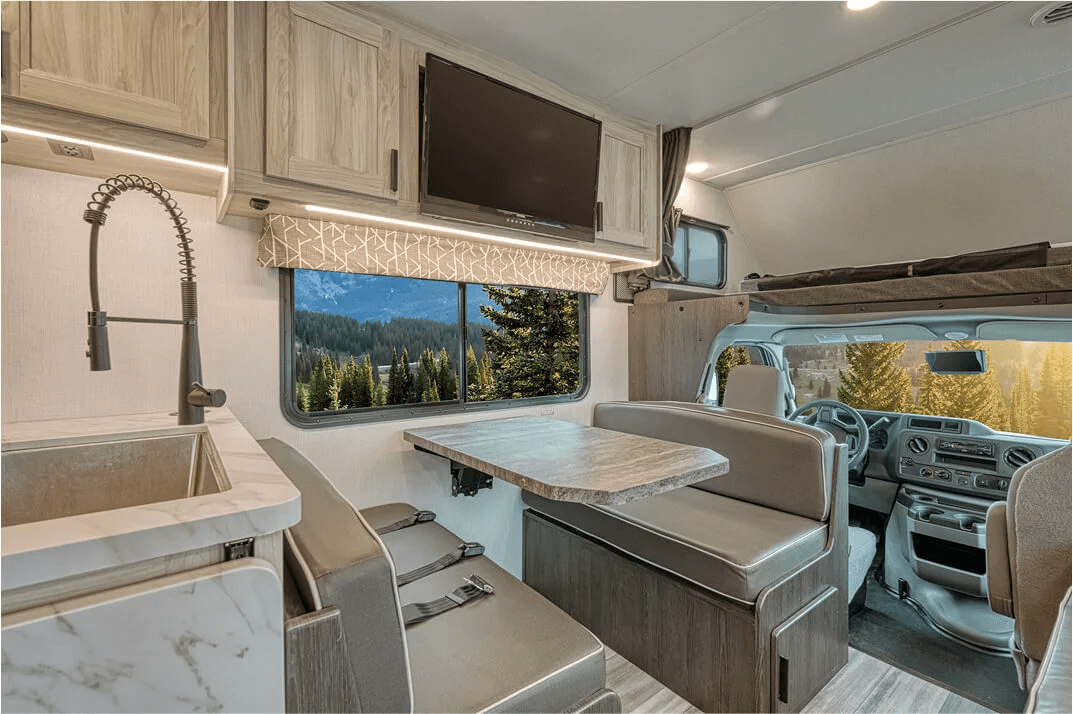
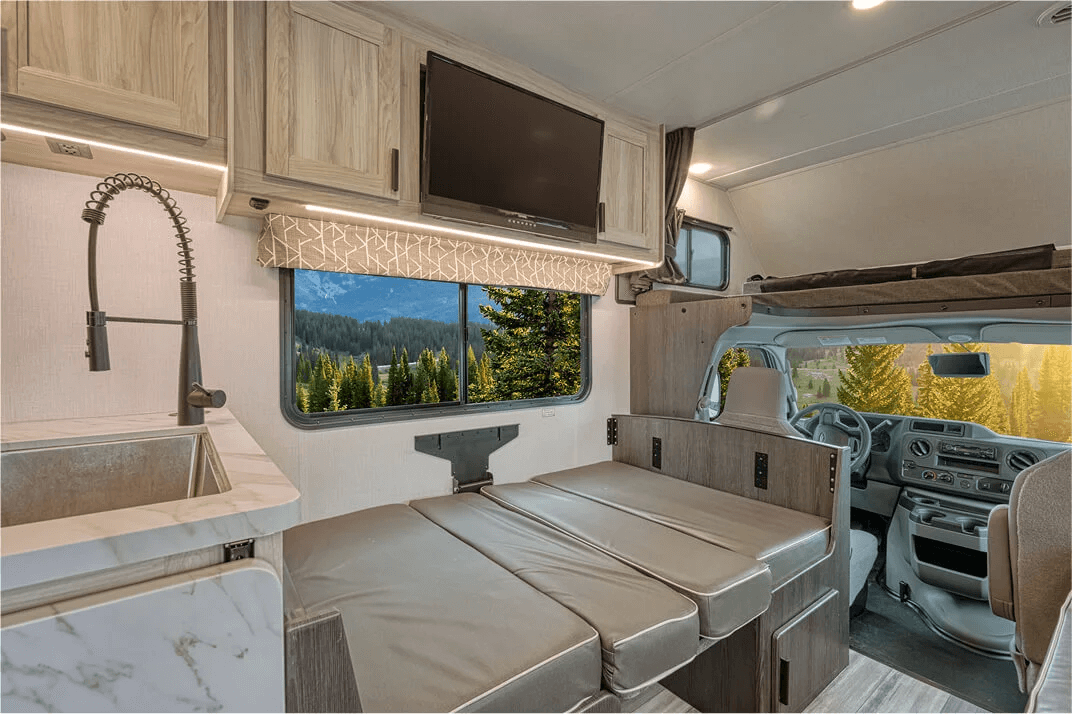
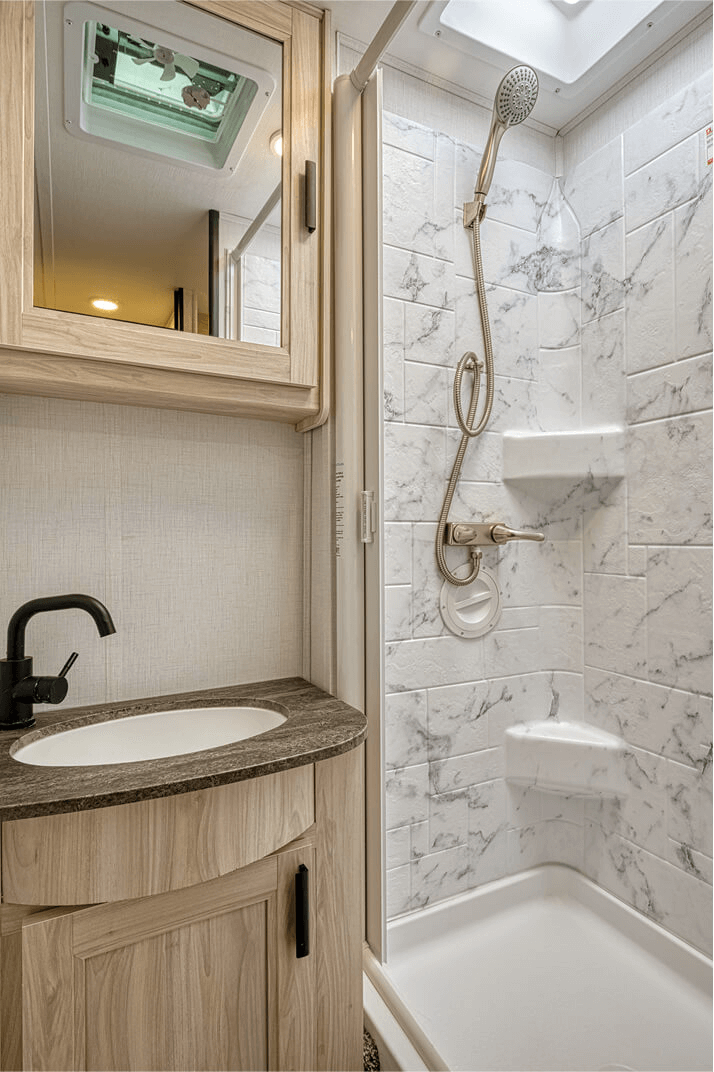
    Class C motorhomes are often the easiest all-round choice for a first Southwest trip. They usually provide fixed or convertible beds, a kitchen, shower and toilet. Smaller versions work well for two to four people, while larger models may be listed for five to seven.

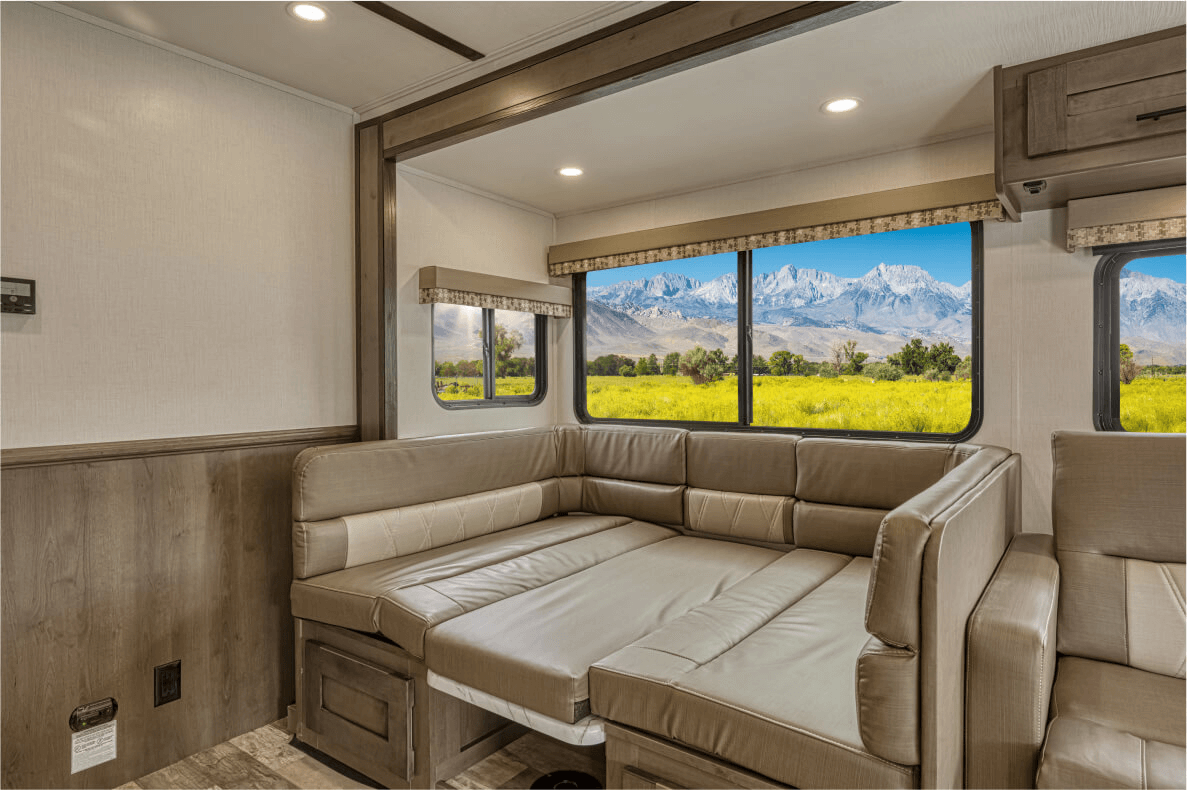
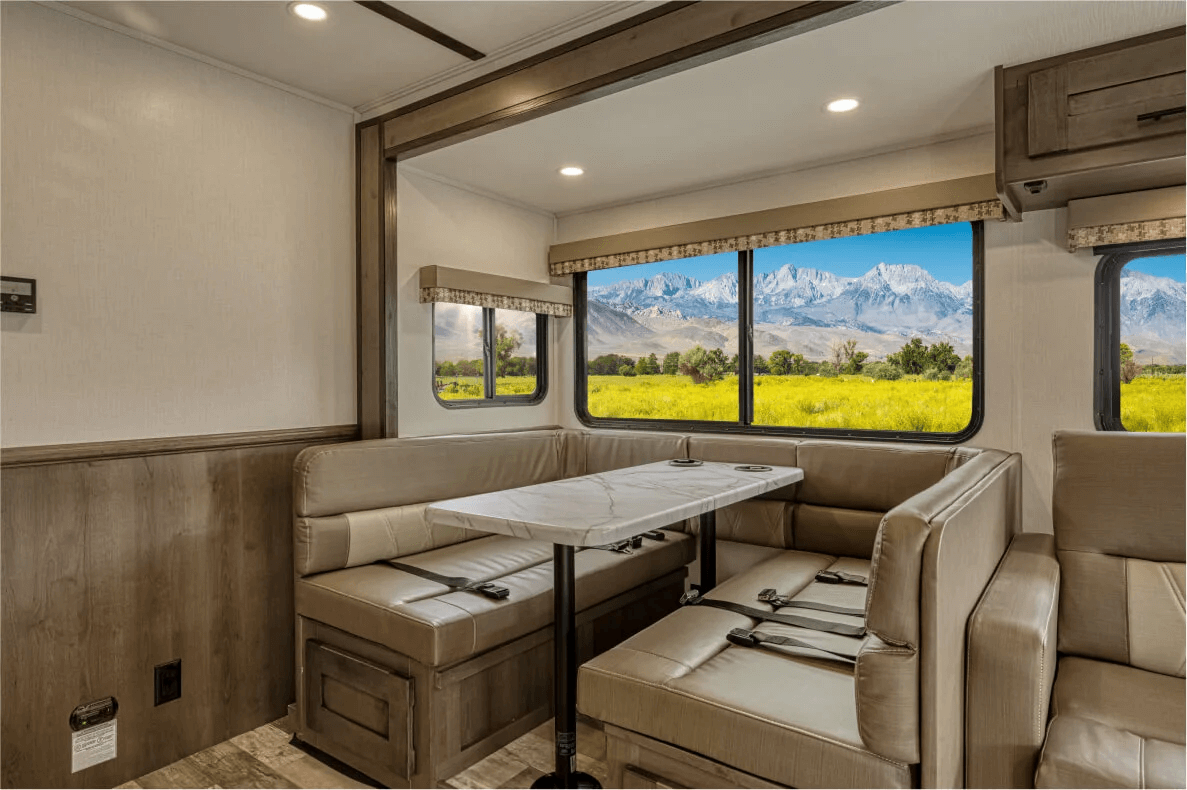
    The advertised sleeping capacity can be misleading. A sofa or dinette bed may be short or narrow, and the over-cab bed requires a ladder. Four adults should check the dimensions of every bed; “sleeps 6” says little about actual comfort.
    Class A

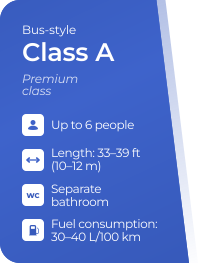
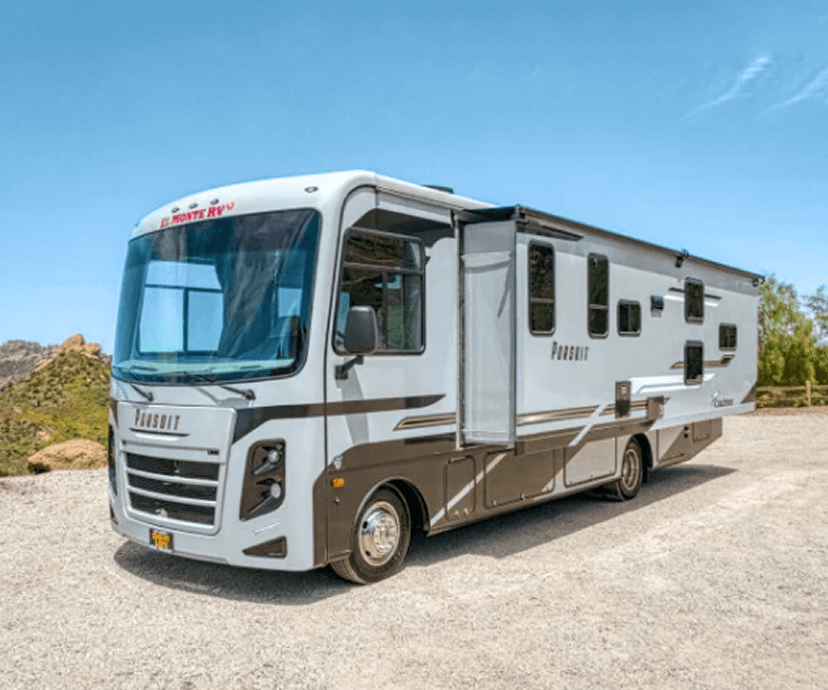
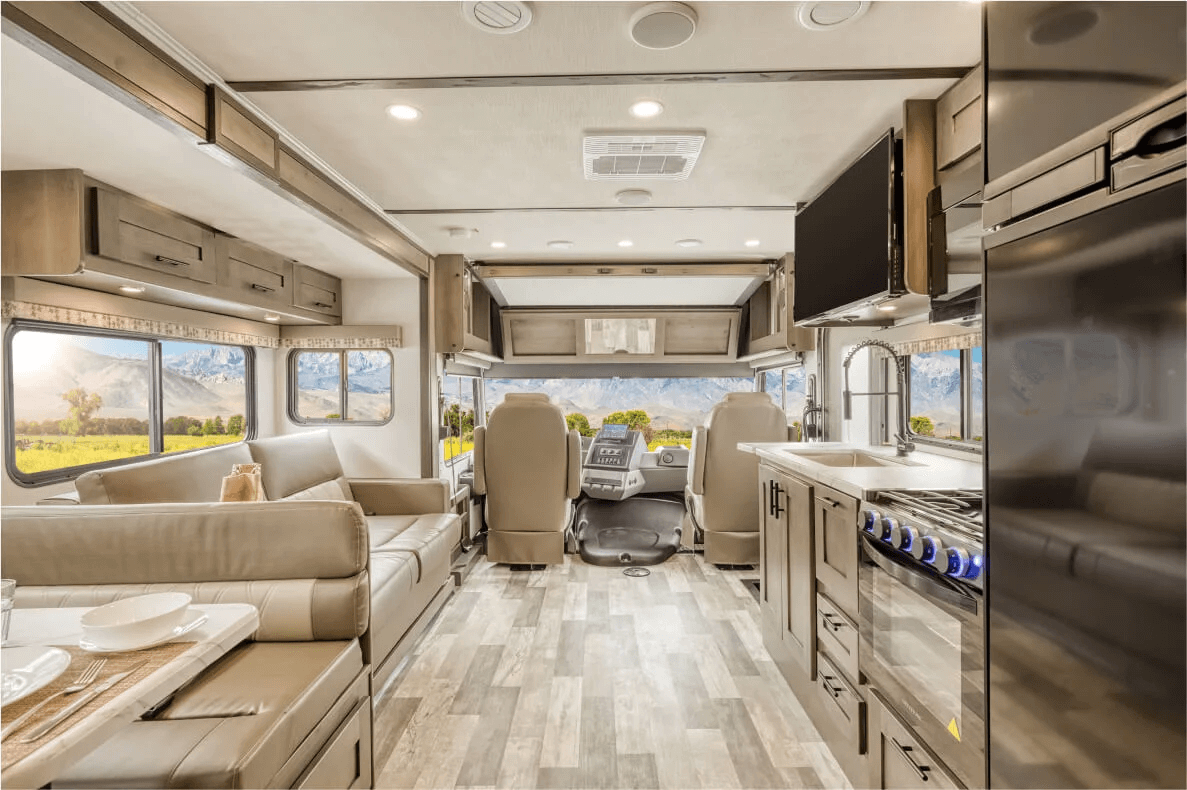
    A Class A provides more interior space and may suit a family or group spending a lot of time inside. The trade-offs are higher fuel use, greater height and width, a longer braking distance and more road and campground restrictions.

    A Class C can be a better fit when the route includes tight sites, mountain roads or frequent town stops.

    Class B and campervans

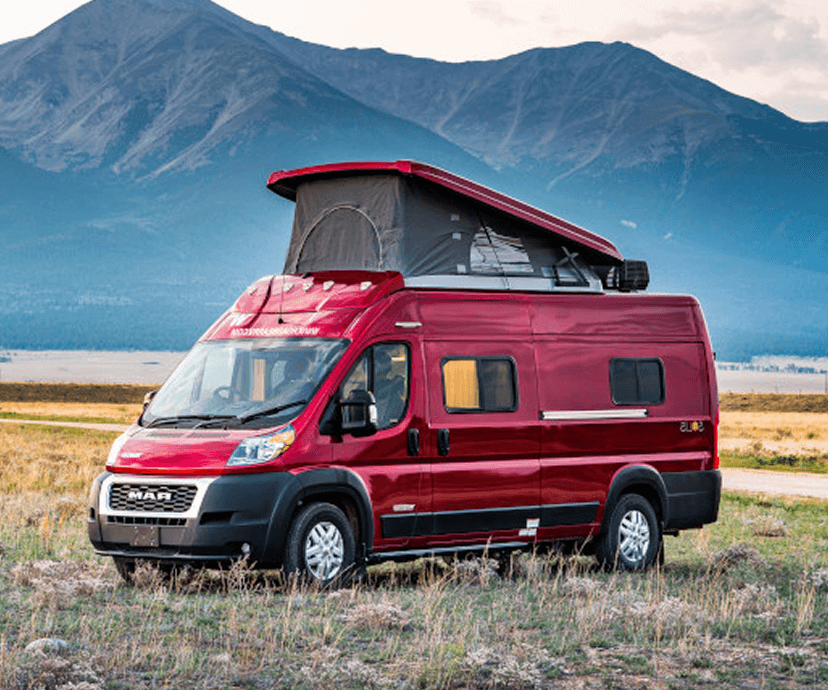
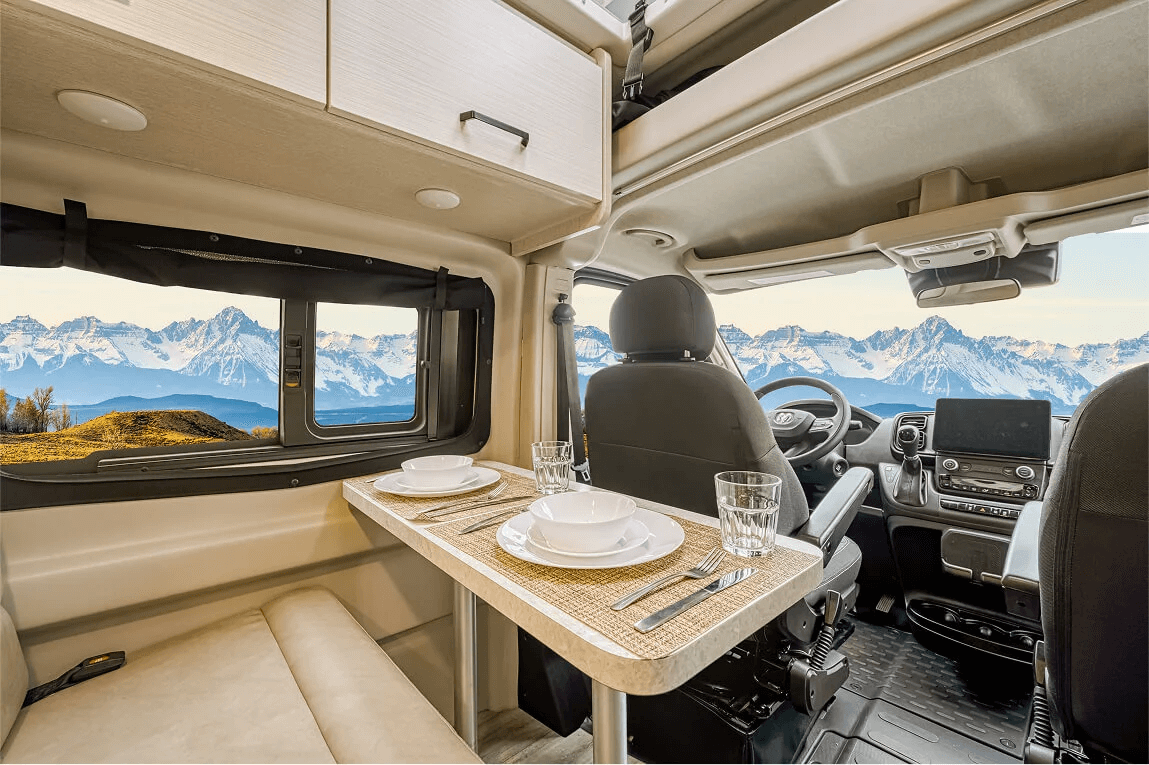
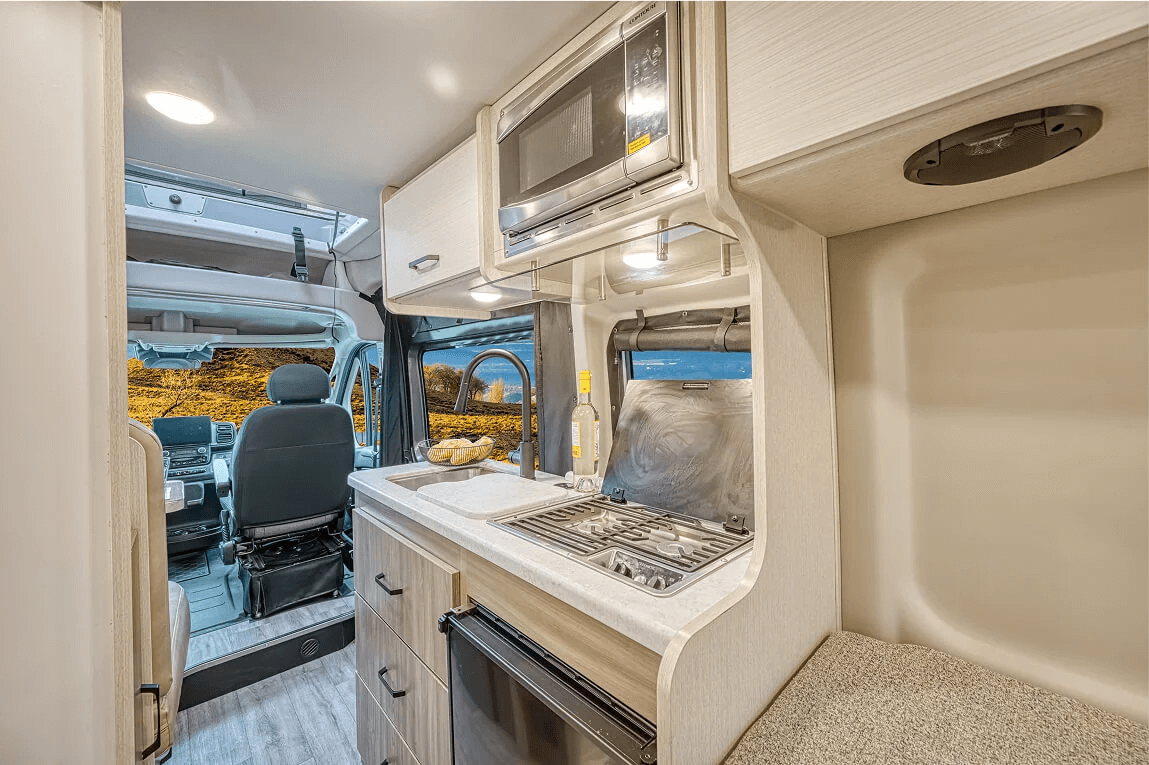
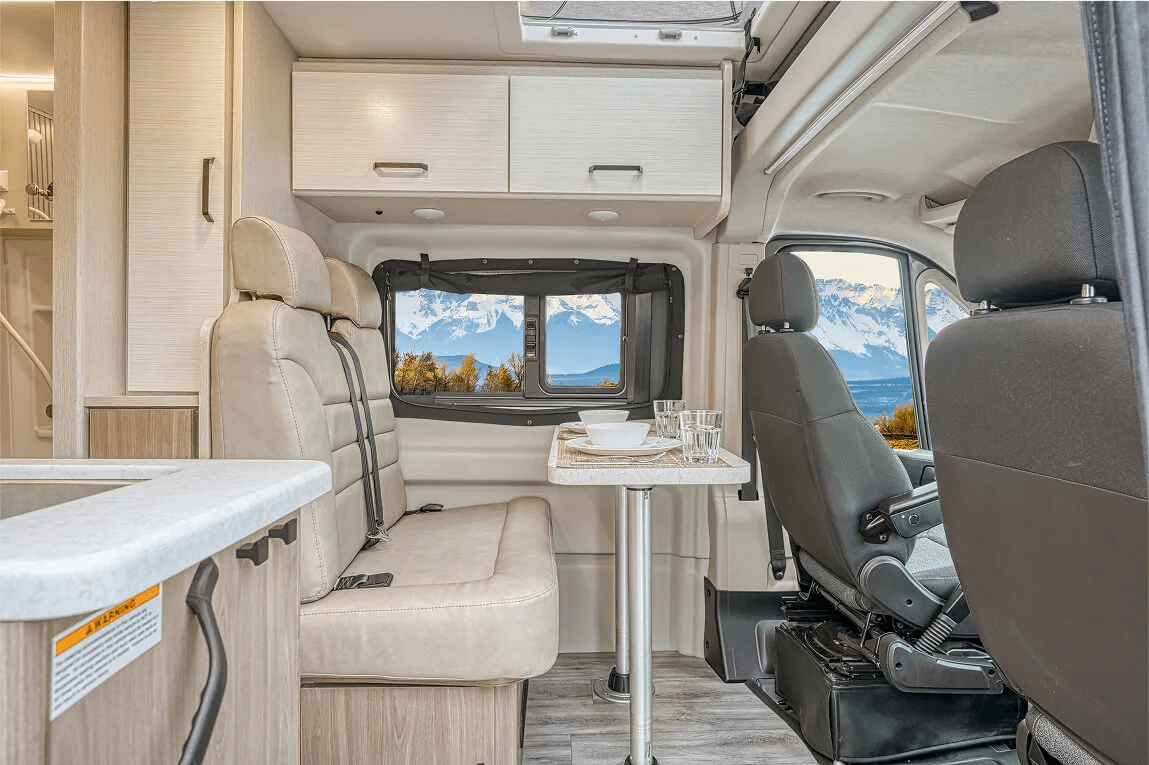
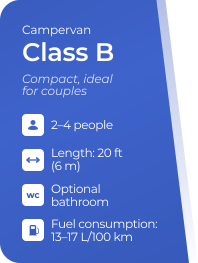
    A compact campervan is easier to drive in the city, park at supermarkets and fit onto smaller campsites. It works well for a couple or two friends who are comfortable with limited storage and living space.

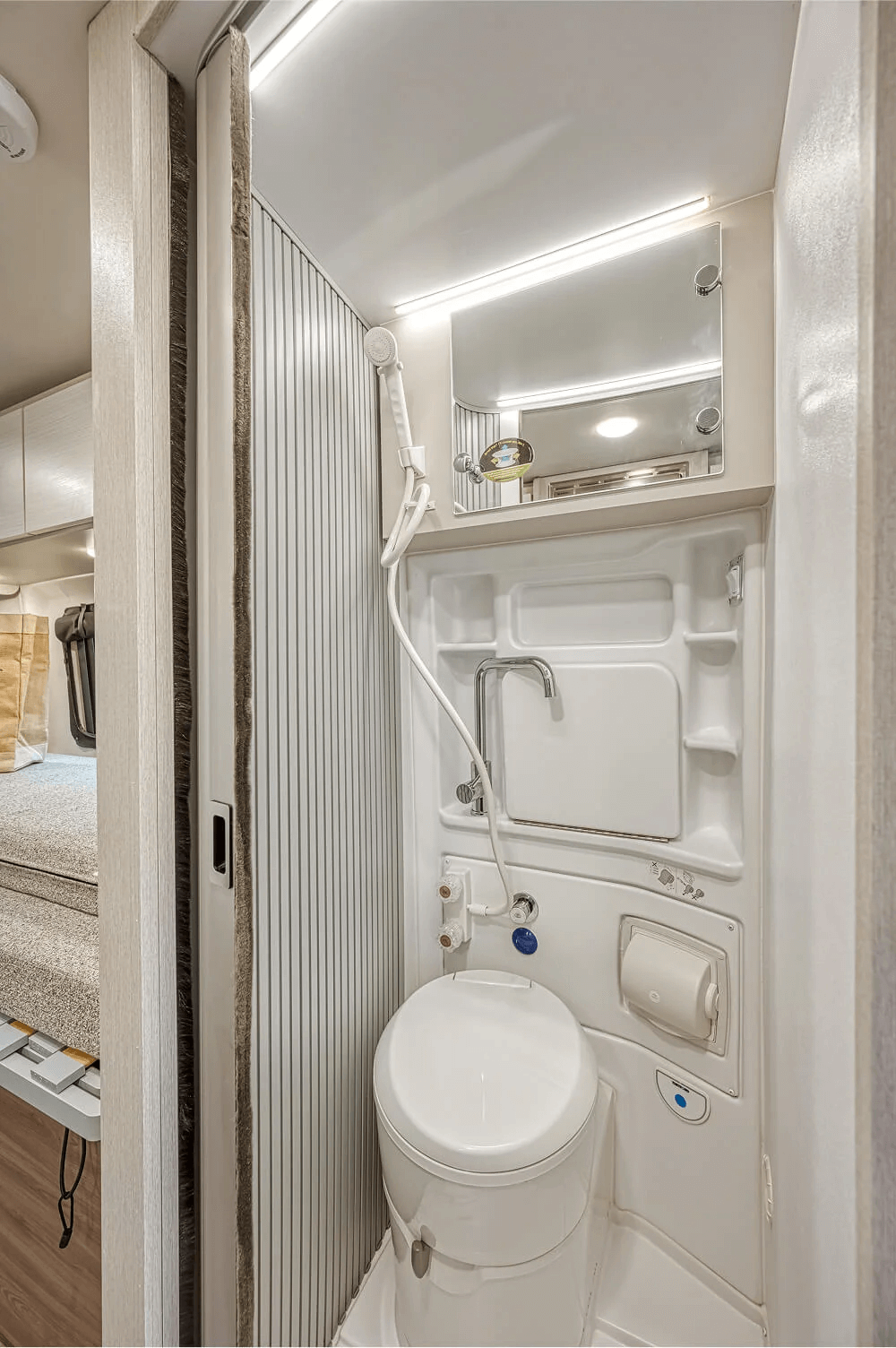
    Some have a kitchen and portable toilet; a full indoor shower and toilet are not guaranteed. Check the layout and equipment list for the exact vehicle.

    What to compare beyond the RV class
    Compare the vehicle’s exact length and height, usable beds, tank capacity, fuel consumption, generator arrangement and how the living-area air conditioner is powered. Keep the RV’s height written in both feet and metres where the driver can see it. Standard car navigation does not warn you about every low fuel-station canopy or height restriction.

    The cab air conditioner cools the driving area while the engine is running. In most conventional rental RVs, the rooftop unit in the living area needs a campsite electrical hookup or a working generator; check the exact model, as a specialised lithium and inverter system may work differently. This distinction matters on hot summer nights when campground quiet hours limit generator use.

    Choose an RV model

    Compare Class B, Class C and Class A vehicles by passenger seats, length, layout and equipment. Filters can narrow the options by type, sleeping capacity, price range, mileage arrangement and one-way availability. On each vehicle card, compare:

    • belted seats and separate sleeping spaces;
    • dimensions of the main beds;
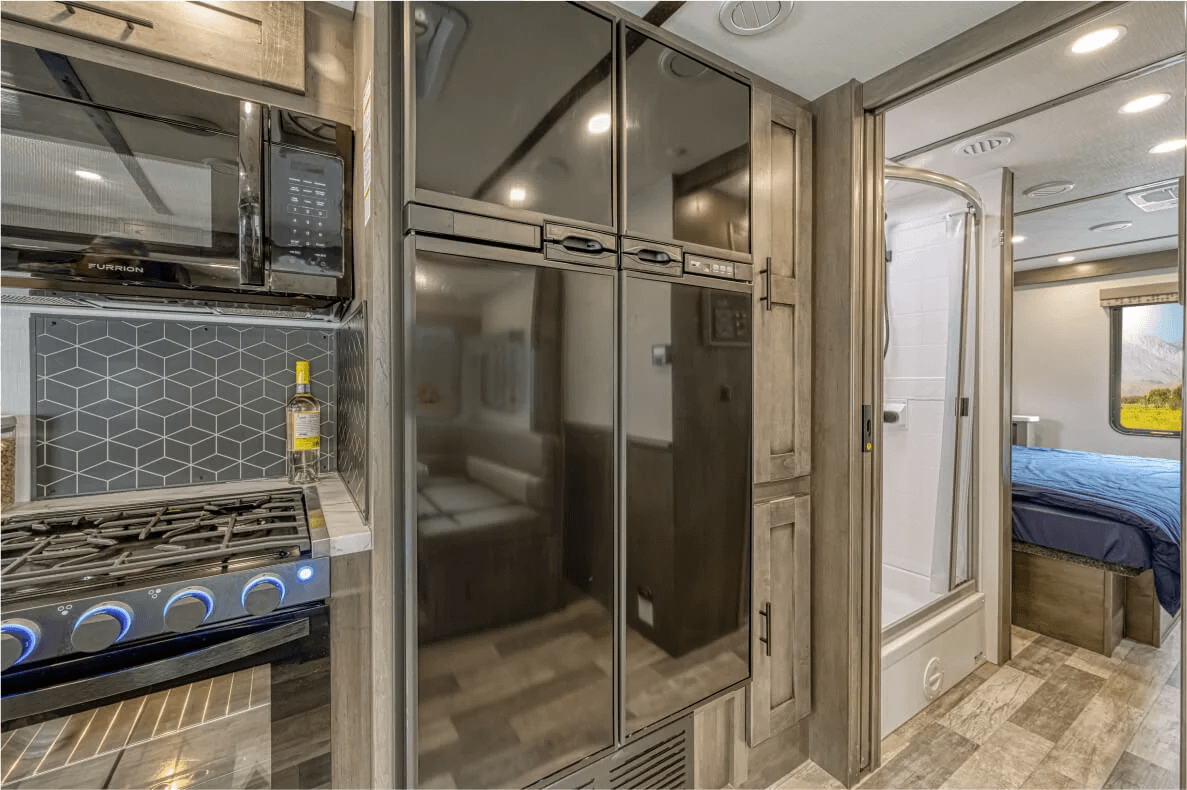
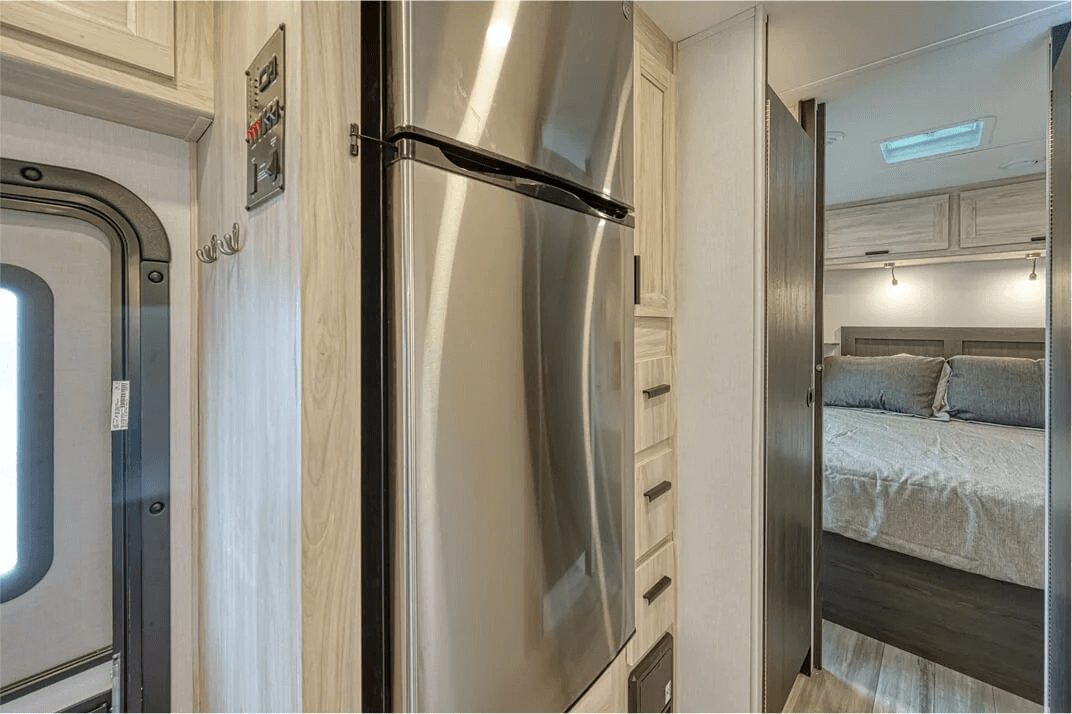
    • shower, toilet, kitchen, refrigerator and air conditioning;
    • generator availability and charging terms;
    • included mileage or the cost of extra miles;
    • one-way availability;
    • estimated price for the selected dates.

    A nightly rate without dates is only a rough orientation. The final price changes with the season, rental length, return city, mileage, insurance and mandatory charges. Availability tightens faster around Burning Man, EDC, major race weekends and public holidays, so event trips need earlier checking.

    Where to collect an RV in Las Vegas

    Rental depots are spread across the Las Vegas area; they are not inside the airport terminal. Confirm the address and appointment time on the final voucher because an operator may change its partner location or assign a specific pickup slot.
    *Indie Campers and other operators — the address depends on the current depot and booking.

    How much does an RV rental in Las Vegas cost?

    Demand changes by date, so a useful quote starts with the travel period. As an orientation checked in August 2026, Cruise America showed base rates around $ 75−150 per night in lower-demand periods and $ 150−250 in higher-demand periods at its Las Vegas location. This is a dated example from one fleet, before mileage, generator use, insurance, equipment kits, taxes and other possible charges. A Class B can cost less, although a campervan with a shower and toilet may price close to a Class C; a spacious Class A is usually towards the upper end.

    Compare an itemised total that may include:

    • Vehicle rental and a mandatory preparation fee
    • Taxes
    • A mileage allowance, prepaid mileage package or per-mile charge
    • Generator hours or an unlimited-use package
    • Insurance cover and the renter’s liability
    • A one-way fee
    • Bedding, towels and kitchen equipment
    • Additional drivers, child seats and pet charges
    • Final cleaning, waste-tank service and propane refill
    • A refundable deposit or card authorisation
    Base insurance, mileage and preparation are not included in every rate. The deposit also varies by rental company, cover, event and payment method. Great RV Trip lists these conditions separately. Fuel, campgrounds and possible contract-violation charges are outside the rental price.

    Booking early, renting for longer, choosing a compact vehicle and returning to the original depot can reduce the total. Still, calculate the whole route. A cheap large RV may consume more fuel, fail to fit the chosen campsite and require a costly mileage package.

    International cardholders should keep available credit above the trip budget because deposits and temporary fuel-station authorisations can reduce the usable balance. Travellers also report that some US fuel pumps reject overseas cards when they request a five-digit ZIP code. If that happens, do not guess a number: note the pump number and prepay with the cashier inside.

    One-way RV rental

    With a one-way rental, you collect the RV in Las Vegas and return it in another city. It can turn a route into a clean line instead of using several days to drive back. Los Angeles, San Francisco, Phoenix, Denver and Salt Lake City are frequent Southwest requests.

    The surcharge depends on distance and fleet balance between depots, so the same route can price differently on different dates. Occasionally, a company discounts a relocation towards a city where it needs the vehicle.

    Check one-way availability before buying flights. Not every model may be returned elsewhere, and some routes have a minimum rental length. The actual fee is only known after the cities and dates have been checked.

    Ask for two totals: one-way and return-to-Las-Vegas. Sometimes the round trip remains cheaper after an extra night and fuel; in other cases, the days saved justify the surcharge.

    Best time for an RV trip from Las Vegas

    Spring: March to May
    Spring suits desert routes before daytime heat becomes extreme. Demand is already high at popular parks and campgrounds, especially during school holidays and weekends. Snow and overnight freezing temperatures are still possible at Bryce Canyon and higher elevations in Utah.
    Summer: June to August
    Las Vegas, Death Valley, Valley of Fire and Lake Mead can exceed 40 °C (104°F). Rental companies may restrict Death Valley travel during the hottest months. Travellers Autobarn, for example, prohibits travel there from May through September. Check the rules for the company and vehicle before booking.

    Summer boondocking requires more than a generator. Many campgrounds enforce quiet hours and do not permit generator use throughout the night, leaving the rooftop air conditioner without power. An electrical hookup is the safer choice for very hot nights; confirm whether the site and RV use 30-amp or 50-amp service.
    Autumn: September to November
    Desert heat eases gradually through September, and October and November often bring better daytime conditions. Higher ground cools quickly: frost and snow are possible around Bryce Canyon, the North Rim and roads near Zion. Formula 1 in November can increase demand for city accommodation.
    Winter: December to February
    Winter can bring lower rental demand in the low desert and good conditions in Death Valley, yet one route may cross several climates. Las Vegas might be 15 °C (59°F) while snow covers the Grand Canyon South Rim. Ask whether the RV is winterised; in freezing conditions, the company may prohibit use of the water, shower and toilet to protect the plumbing.

    April-May and late September-October are common first-trip choices. The route still decides the best dates: pleasant Death Valley weather can mean cold nights at Bryce, and the reverse is true in summer.

    RV routes from Las Vegas

    Route: ~910 km (~560 miles)
    Duration: 4–5 days
    Learn more
    Route: ~1320 km (~820 miles)
    Duration: 7–10 days
    Learn more
    Route: ~640 km (~400 miles)
    Duration: 2–3 days
    Learn more
    Route: ~1290 km (~800 miles)
    Duration: 5–7 days
    Learn more
    Duration: 1–2 days
    Learn more
    Route: ~2300 km (~1400 miles)
    Duration: 14+ days
    Learn more

    Visiting Las Vegas and nearby sights with an RV

    You can drive an RV along the Strip, but it is a poor city runabout. Hotel garages often have height limits, surface lots may reject large vehicles and overnight parking may be prohibited. Circus Circus RV Park still operates an RV park with full hookups on the north Strip. It feels like an urban paved lot rather than a nature campground, but the location simplifies city visits.

    The Welcome to Fabulous Las Vegas sign has a parking area, although space for a long motorhome is never guaranteed. Visit Fremont Street without the RV: the central area is pedestrianised and private-lot rules change. Leave the vehicle at the campground and use a taxi or rideshare.
    At Red Rock Canyon, a confident driver can take a larger RV around the Scenic Drive within the posted limits. The road is one-way, so a missed turn is difficult to correct. Confirm the entry time and check the allowed length of the exact campsite; neighbouring sites may have very different limits.

    Open campers and trailers receive mandatory inspection at Hoover Dam, and security staff may ask to see exterior storage, the luggage area and the engine compartment. All RVs park on the Arizona side in lots 9, 13 or 14. The dam road no longer provides a through crossing of the Colorado River, so onward traffic returns to I-11.

    Valley of Fire State Park has two campgrounds. Sites are now reservable, and some RV sites provide water and electricity. Old advice to arrive and claim Arch Rock Campground on a first-come basis is no longer reliable. Many trails close for heat from 15 May to 30 September, and the entire park closes for annual maintenance from 1 to 14 December.

    Burning Man and major events

    RV parks and campgrounds

    In the city and near the Strip
    Circus Circus RV Park suits travellers who want to stay directly on the Strip. It has full hookups and spaces for large vehicles, with the atmosphere of a large urban parking area.

    Oasis Las Vegas RV Resort lies south of the central Strip and offers full hookups and swimming pools, including a family area. The resort rules prohibit generator operation.

    Las Vegas KOA at Sam’s Town and other city RV parks work well for the first or final night, when you need to test systems, dump tanks and prepare for return. Check the distance to the Strip, maximum vehicle length, 30- or 50-amp service, child and pet rules and late-arrival procedure.

    Las Vegas RV Resort is east of the central city and offers full-hookup sites. It has age and visitor rules, so confirm that the whole group is eligible before paying.
    Near natural attractions
    Red Rock Canyon Campground is a dry campground without hookups about 20 miles (32 km) from the Strip. The vehicle limit is site-specific: one site may accept a 40-ft (12.2 m) RV while the next accepts only 25 ft (7.6 m).

    Valley of Fire State Park has two campgrounds, showers and a dump station; some RV sites have water and electricity. All sites are currently reservable.

    Lake Mead National Recreation Area has more than 900 camping and RV sites across the recreation area. NPS-operated sites have no hookups; full-hookup options are offered by concessioners inside the area, including Lake Mead RV Village and several marinas.
    Free camping and boondocking
    BLM land around Las Vegas includes designated areas for dispersed camping outside developed campgrounds. Permission applies only in suitable zones and along routes where local restrictions allow access.

    Jean/Roach Dry Lakes is about 26 miles (42 km) south of Las Vegas and permits dispersed stays of up to 14 days. Do not drive onto the lakebed after rain. The flat surface can hold water and turn into deep mud, while recovery from an unpaved area may fall outside standard roadside assistance.

    A Walmart, casino or truck-stop car park is never a guaranteed campsite. Ask the property owner, check local signs and keep the awning, chairs and levelling equipment packed away where only overnight parking is allowed.

    Driving and desert safety

    • Before every departure, retract the step, close windows and roof vents, latch cupboards, disconnect all hookups and confirm the awning is fully secured. Use one person as a spotter when reversing. The spotter must remain visible in the driver’s mirror; stop immediately if you lose sight of them.

    • Keep the fuel tank above one quarter. Remote fuel stations are widely spaced, and Cruise America generators, for example, cut out at about a quarter tank to preserve fuel for driving. In hot weather, the rooftop air conditioner stops with the generator.

    • Strong crosswinds move a tall body more than first-time drivers expect. Reduce speed, increase the gap ahead and avoid sharp steering corrections. If a dust storm approaches, avoid entering it. If visibility is already falling, pull completely off the paved road and turn off every light including hazard lights, remove your foot from the brake and stay buckled inside. Darkening the stopped vehicle helps prevent another driver from following its lights off the road.

    • For Death Valley and other very hot desert conditions, NPS advises at least one US gallon — about 4 litres — of drinking water per person per day, with more for physical activity. Carry a separate emergency reserve and electrolytes. The RV’s fresh-water tank should not be the only drinking-water source because its condition depends on vehicle maintenance and the filling point.

    • Never enter water running across a road or camp in a dry wash. A storm can occur far away and send a flash flood through later. Dry lakebeds deserve the same caution: after rain, a hard-looking crust may hide soft mud underneath.

    • Las Vegas parking rules depend on the jurisdiction and street type. On residential streets within the City of Las Vegas, a free permit is required for RV loading or unloading and lasts no more than 48 hours; it does not allow anyone to stay in the vehicle. In unincorporated Clark County, occupying an RV is allowed only in an RV park. Use an established campground or a property whose owner explicitly permits the stay.

    • Drivers used to left-hand traffic should schedule the first day conservatively. Keep a small “drive right” note near the instrument panel, take extra care when leaving fuel stations and viewpoints, and review the state handbook rules for school buses and right turns at red lights before pickup.

    What to bring

    • For heat and sun
      • Drinking water in separate containers and electrolytes;
      • SPF 50+, a hat and sunglasses;
      • Light covering clothing and a warm layer for high-elevation nights;
      • Head torches, which leave both hands free when connecting the RV after dark.
    • For the RV
      • Offline maps and screenshots of campground addresses;
      • Charging cables and a power bank;
      • Work gloves for handling waste hoses;
      • A torch for tyres and exterior compartments;
      • A small spirit level or levelling app;
      • A drinking-water hose, electrical adapter and extension cable only if they are not supplied;
      • A printed card with the RV’s height, width and length in feet, inches and metres;
      • Soft-sided or collapsible luggage, which stores more easily than hard cases.
    • For camping
      • Folding chairs and a separate outdoor mat;
      • Biodegradable soap where its use is allowed;
      • Closed shoes for rocky trails;
      • A first-aid kit, personal medicine and burn treatment;
      • Wet wipes, dry shampoo and shower sandals;
      • Rubbish bags and sealed food containers.

    Carry a fuel container only when the rental company permits it and you know how to transport it safely. On most paved routes, frequent refuelling is safer than storing petrol inside or beside the living area.

    Where to buy groceries and equipment

    Walmart Supercenter, Target, Albertsons and Smith’s work well for a main food shop. Costco can be useful for group quantities of water and food, but most purchases require an active membership. Whole Foods covers specialist items, while 99 Ranch Market is useful for Asian ingredients and fresh produce.

    REI and Bass Pro Shops sell outdoor equipment, but simple chairs, torches and storage boxes are often cheaper at Walmart. Check the RV inventory before buying anything. One rental includes a hose, cable, cookware and bedding; another supplies them only as paid kits.

    An online grocery order near the depot can save time after pickup. Schedule collection only after the handover and inspection because a delayed RV appointment should not leave chilled groceries waiting.

    Plan the final fuel and cleaning stop before return day. Not every canopy clears a Class C, and an automatic car wash is unsuitable. If the contract requires exterior cleaning, ask which method the company permits.

    Apps and practical resources

    • NPS App provides national-park maps, alerts and visitor information. Save the relevant parks for offline use.
    • Recreation.gov handles many federal campground, timed-entry and activity reservations. Vehicle-length limits appear at individual site level and can vary within one campground.
    • GasBuddy compares fuel prices but does not show canopy height or turning space. Satellite view can help assess the entrance; a large roadside truck stop is often easier for a long RV.
    • Campendium, iOverlander and AllStays help locate campgrounds, dump stations and possible boondocking areas. User reports can age quickly, so confirm overnight rules with the land manager or property owner.
    • Roadtrippers is useful for a route draft but does not replace navigation configured for RV dimensions.
    • Google Maps should be downloaded offline for Nevada, Arizona, Utah and California. Its normal car route may still use a road prohibited for your RV’s width or length, including the Zion-Mount Carmel Highway after the 2026 rule change.
    • NV Roads, UDOT Traffic and AZ511 report official road restrictions, incidents and weather conditions. Check the relevant state service before a long transfer, especially in winter or during dust-storm conditions.

    Frequently asked questions

    A standard car licence is normally sufficient for the rental Class B and Class C vehicles on this page. Nevada recognises valid licences issued by other countries and does not require an IDP for visitors, but the IDP is only a translation and must accompany the original licence. A larger Class A or any vehicle rated at 26,001 lb (11,794 kg) or more may fall under Nevada’s higher non-commercial licence classes. Check the exact GVWR, the rental company’s conditions, the equivalent category on your home licence and the rules of every state on the route. Bring a translation or IDP when the licence is not in English or Latin characters, plus the passport and licence originals.

    Get a Las Vegas RV rental quote

    Tell us when you want to collect the RV, where you plan to return it, how many people are travelling and the route you are considering. If the itinerary is still open, we can help choose a suitable vehicle size and estimate realistic mileage.

    Your proposal will show the vehicle, itemised mandatory charges, included miles, generator terms, insurance, deposit, return conditions and one-way availability. Fuel, campgrounds and possible charges for contract breaches are listed separately and are not included in the rental price.
    Contact us. We will answer the questions, help with the choice
    We will answer your questions and help you choose

    Contact us

    GREAT RV TRIP Inc.

    Address:
    2093 PHILADELPHIA PIKE #7170
    CLAYMONT, DELAWARE 19703, USA

    © GREAT RV TRIP, 2017–2026
    Motorhome travel agency
    Let's go on an adventure!
    Manage cookies

    We use cookies and similar technologies to improve your browsing experience, analyze site traffic and serve targeted advertisements.

    For more details, read our Privacy & Data Protection Policy and Cookies Policy.
    Accept All