




Motorhome travel
Motorhome travel
The discount is valid for bookings over 10 days
Motorhome rental
Leave your contacts so we can contact you
Route with Full Travel Support
We will create a personalized route tailored specifically to your wishes and interests. You’ll receive a detailed travel guide with descriptions of must-see attractions, up-to-date prices, and helpful tips. We’ll book your campsites in advance and mark convenient stopovers, so everything is planned for you.
Prefer spontaneous travel and making decisions on the go? We’ve got you covered with full support along the way. We’ll be in touch with you 24/7 to:
Find and book a great restaurant or tour along the route;
Help locate nearby service points, like water disposal or refueling stations;
Quickly adjust your route if you’re in the mood for new experiences.
With us, your journey will be easy, well-organized, and truly free.
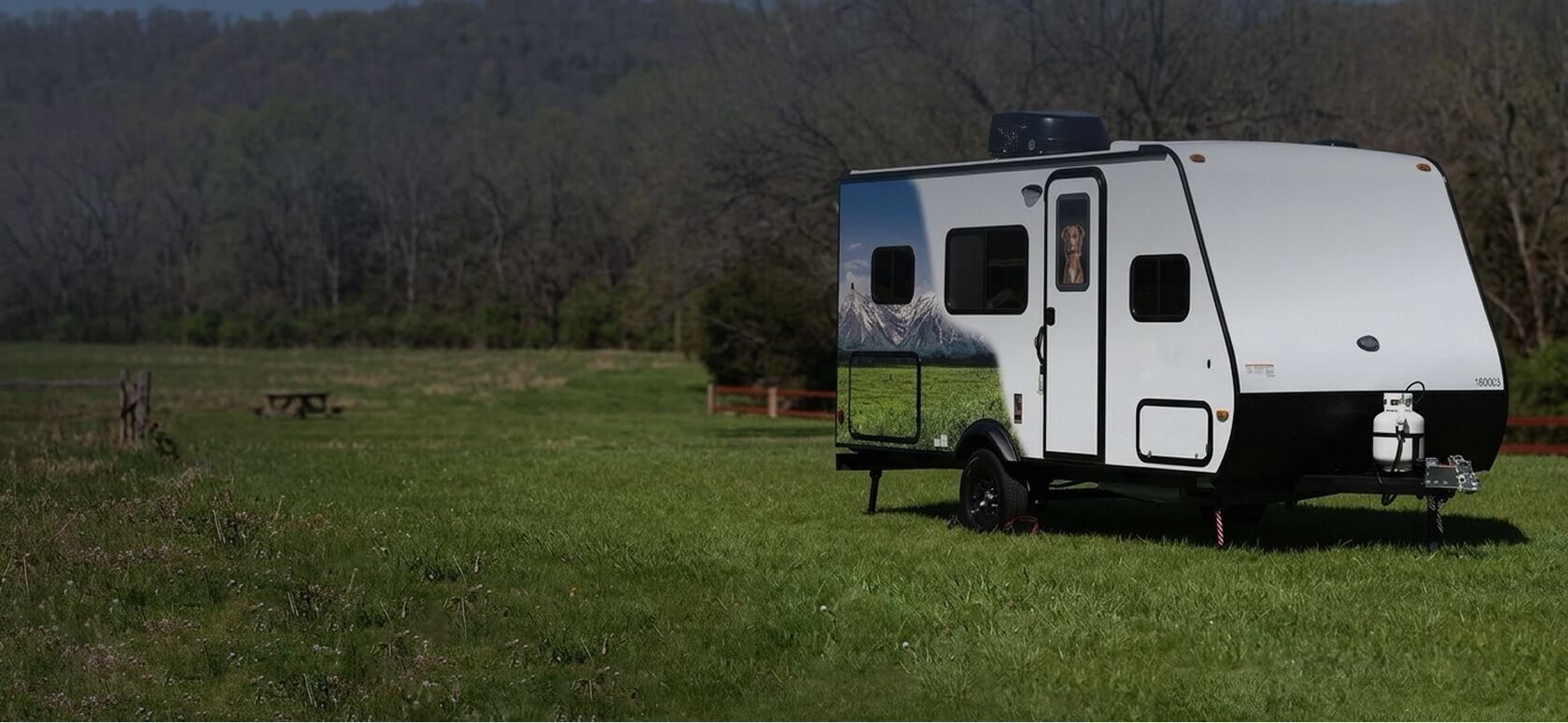
A towable RV gives you a place to stay at the campsite and a vehicle you can use for day trips after you unhitch. The rental rate may be lower than for a comparable motorhome, but the full cost depends on your tow vehicle, hitch equipment, insurance, campsite and delivery fees. Before choosing a floor plan, make sure the entire setup works for your trip.
For visitors renting in the United States, the first question is whether the exact vehicle and trailer can legally and safely travel together. Check the trailer’s loaded weight, the tow vehicle’s ratings and rental contract, then confirm that your campsites can fit the rig and allow its type of walls. If towing feels like too much to arrange, many listings offer delivery and setup.
For visitors renting in the United States, the first question is whether the exact vehicle and trailer can legally and safely travel together. Check the trailer’s loaded weight, the tow vehicle’s ratings and rental contract, then confirm that your campsites can fit the rig and allow its type of walls. If towing feels like too much to arrange, many listings offer delivery and setup.
Which camper trailer should you choose?
- One or two travelers with frequent stops: a teardrop or small travel trailer.
- A family: a compact or midsize bunkhouse travel trailer; a hybrid if the route and campsites allow soft-sided sleeping areas.
- A long stay with plenty of living space: a fifth wheel, especially when it can be delivered to your campsite.
- Motorcycles, ATVs or several bikes: a toy hauler with a suitable cargo rating.
- No trailer towing: consider a truck camper, an RV carried in a pickup bed.
RV trailer types at a glance
The lengths, weights and sleeping capacities below describe broad categories, not a particular rental. The nightly prices are rough examples of base private-rental rates, not a market average or a quote. Platform fees, insurance, taxes, generator use, delivery and setup can add to the total. Always check the exact model and listing before booking.
Type
Typical length and weight
Sleeps
Base rental / night*
What visitors should check
Travel
trailer
trailer
12–40 ft; approx. 1,200–10,000 lb
2–10
$75–175
Compatible tow vehicle, hitch and backing skills
Fifth
wheel
wheel
20–49 ft; approx. 7,000–15,000+ lb
4–12
$125–250
Heavy-duty pickup and fifth-wheel hitch; consider delivery
Pop-up
camper
camper
8–20 ft; approx. 1,000–4,000 lb
2–8
$50–100
Soft-sided campsite rules and bathroom features
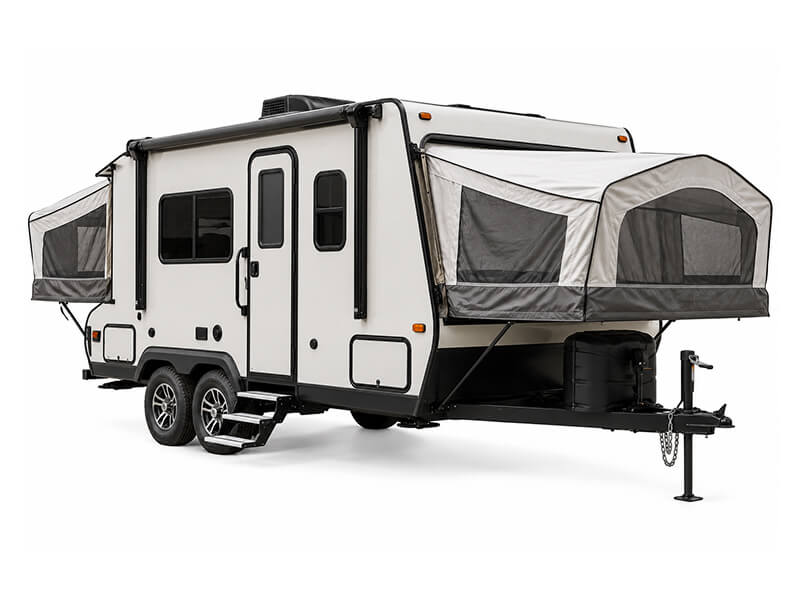
Hybrid trailer
16–26 ft; approx. 2,500–5,500 lb
4–8
$75–160
Fabric beds, weather protection and campsite rules
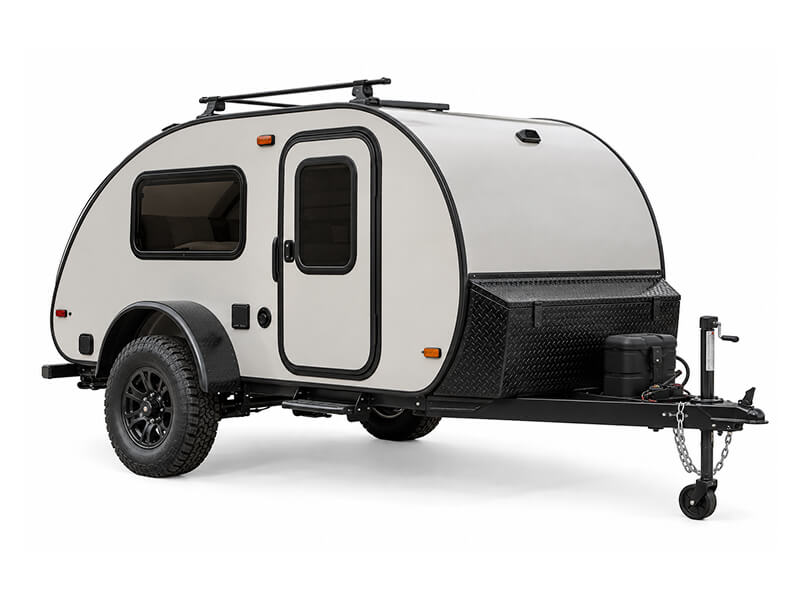
Teardrop
8–16 ft; approx. 1,000–3,500 lb
2–4
$50–120
Bathroom availability and exact tow rating
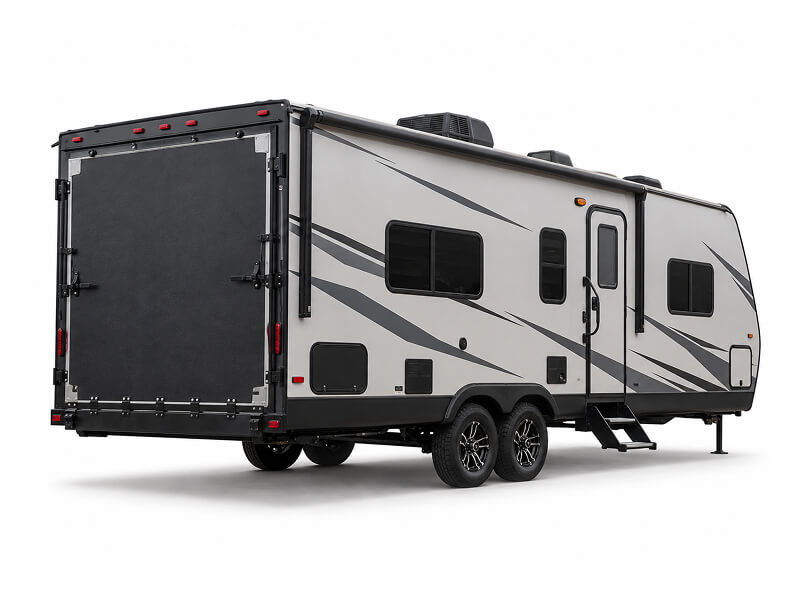
Toy
hauler
hauler
18–45 ft; approx. 3,000–15,000+ lb
4–8
$100–225
Equipment weight, cargo capacity and load balance
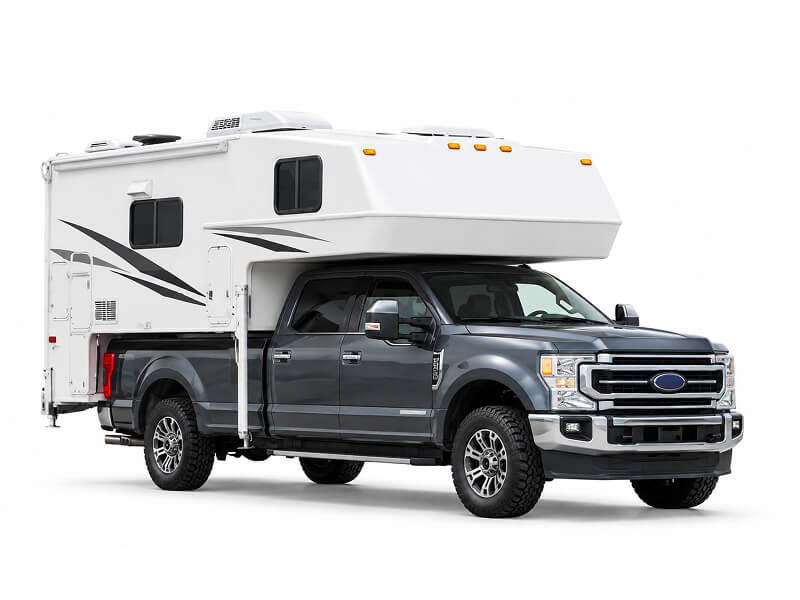
Truck
camper*
camper*
Module 6–18 ft; approx. 1,000–5,000+ lb
2–4
$100–200
Pickup payload; this is carried, not towed
* A truck camper is included for comparison. It rides in the bed of a pickup and is not a towable trailer.
Conventional travel trailer: the flexible all-rounder
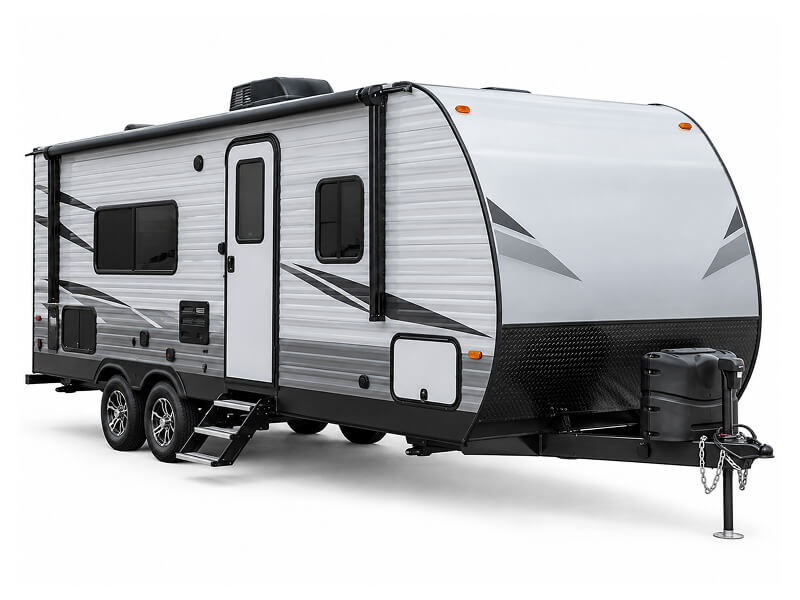
A conventional travel trailer is a hard-sided camper that connects behind a tow vehicle through a bumper-pull hitch. Floor plans range from small two-person campers to family bunkhouses, with possible kitchens, refrigerators, bathrooms, air conditioners and slide-outs. Features vary by model: a short trailer may have a wet bath, while another may have no bathroom at all.
The choice of sizes and layouts is its main advantage. Once you park and unhitch, you can drive the tow vehicle without moving your home. On the road, a long or badly loaded trailer can sway or become difficult to maneuver. Proper tongue weight, mirrors, brakes, hitch setup and practice backing up all matter.
A Ford F-150, Chevrolet Silverado, Ram 1500 or SUV may be suitable for some trailers, but the nameplate alone tells you very little. Tow rating and payload change with engine, drivetrain, axle ratio, equipment and passenger load. Confirm the exact rental vehicle and get written permission to tow the trailer before paying for either booking.
Fifth-wheel trailer: space for longer stays
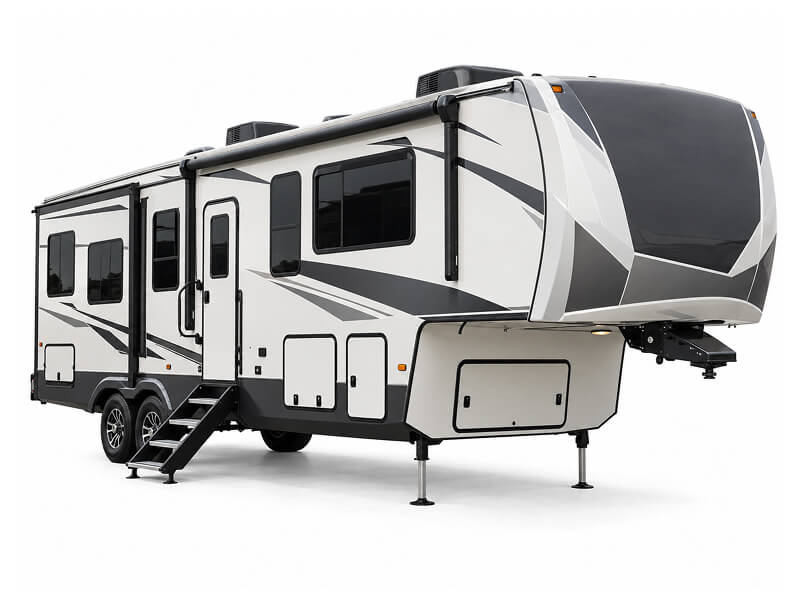
A fifth wheel attaches to a hitch installed in the bed of a pickup. Its front section extends over the truck bed, often making room for a separate bedroom. The hitch location can make a comparable rig feel more predictable than a long bumper-pull travel trailer, but it still calls for careful driving and a compatible truck.
Many fifth wheels offer taller interiors, several slide-outs and larger living areas. The trade-off is weight, height and the load placed on the pickup. In addition to the tow rating, check payload and the trailer’s pin weight: passengers, luggage and the hitch all use part of the truck’s capacity.
For a short trip, finding a properly equipped heavy-duty rental pickup can be difficult. A standard ball hitch will not work. Delivery and setup may be simpler: the owner brings the fifth wheel to an approved campsite, sets it up and collects it after your stay. Confirm that the campground accepts delivered rentals before booking.
Pop-up camper: compact to tow, soft-sided at camp
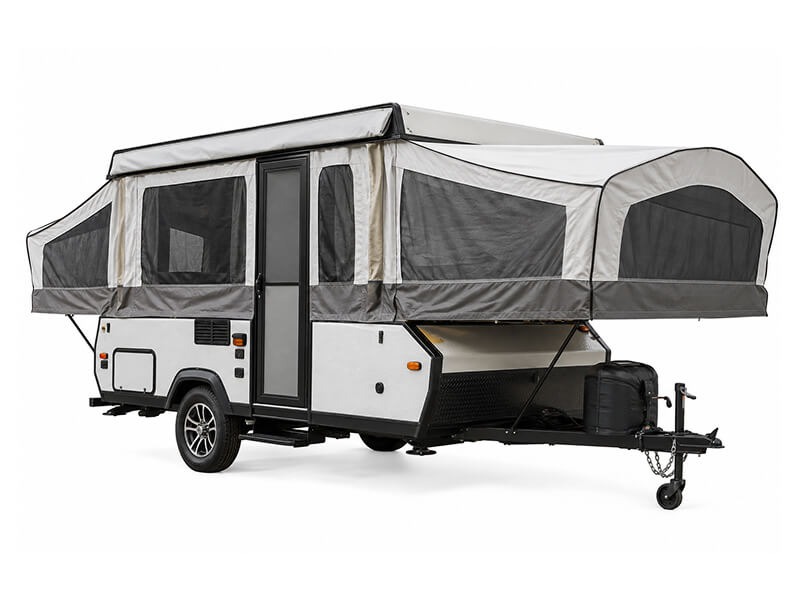
A pop-up, or folding camper, travels as a low-profile box and opens into a taller living area with fold-out beds. Its low towing profile can help with storage and wind resistance. Some models can be towed by smaller vehicles, but only if the vehicle’s ratings and the rental agreement allow the actual loaded trailer and hitch.
Canvas or other soft walls let in more noise, hold less heat and need to dry after rain. Bathrooms and showers are not standard across the category. Campsite rules also matter in bear country. Fishing Bridge RV Park in Yellowstone, for example, accepts hard-sided RVs and does not allow tent trailers. That is a rule for this campground, not a ban on every pop-up throughout Yellowstone.
Canvas or other soft walls let in more noise, hold less heat and need to dry after rain. Bathrooms and showers are not standard across the category. Campsite rules also matter in bear country. Fishing Bridge RV Park in Yellowstone, for example, accepts hard-sided RVs and does not allow tent trailers. That is a rule for this campground, not a ban on every pop-up throughout Yellowstone.
Hybrid trailer: hard body, expandable beds
A hybrid, also called an expandable trailer, combines a hard-sided main cabin with fold-out sleeping sections that commonly use fabric walls. It can give a family more beds within a shorter towing length, often with a kitchen and bathroom inside the main shell.
The sleeping sections share some pop-up limitations: more outside noise, less insulation and possible restrictions at hard-sided-only campsites. Ask how the beds close when wet, whether the trailer can be used without expanding them, and how long setup takes. Do not assume a hard main body qualifies when the occupied sleeping areas have fabric walls.
The sleeping sections share some pop-up limitations: more outside noise, less insulation and possible restrictions at hard-sided-only campsites. Ask how the beds close when wet, whether the trailer can be used without expanding them, and how long setup takes. Do not assume a hard main body qualifies when the occupied sleeping areas have fabric walls.
Teardrop trailer: small footprint for an active route
A classic teardrop puts a bed inside a compact, rounded trailer and a galley under a rear hatch. Larger modern designs may add an indoor kitchen, a toilet, a shower or another bed. The term describes a broad shape and style, not a guaranteed list of amenities.
For a couple making frequent stops, the smaller footprint can make parking and campsite selection easier than with a long family trailer. Even a light teardrop needs a vehicle with suitable towing and hitch ratings, wiring and permission from the vehicle rental company. Ask about the loaded weight and whether the galley is accessible in bad weather.
A winter trip is possible only with a model equipped for the expected temperatures. Insulation alone is insufficient: check the heater, water-system freeze protection and available shore power. Many simple teardrops are best used in mild weather.
Toy hauler: living space with a cargo garage
A toy hauler has a rear cargo area and ramp for motorcycles, ATVs, bikes or other equipment. Some ramps can also serve as a fenced patio, but that depends on the model. The garage layout is useful when your trip actually includes bulky gear.
Count the equipment, fuel and tie-downs within the trailer’s cargo capacity. Check GVWR, axle limits and the load position; heavy gear at the back can change the balance and increase sway. Generators and larger water tanks are common on some models, but confirm their availability, use rules and charges in the specific listing.
Count the equipment, fuel and tie-downs within the trailer’s cargo capacity. Check GVWR, axle limits and the load position; heavy gear at the back can change the balance and increase sway. Generators and larger water tanks are common on some models, but confirm their availability, use rules and charges in the specific listing.
Truck camper: an RV in a pickup bed
A truck camper is carried by the pickup rather than pulled behind it. The shorter overall rig may simplify turns and parking compared with a truck-and-trailer combination, but its extra height, width and weight still affect where you can drive and park.
The truck’s payload is the critical rating. The camper, water, propane, passengers, luggage and accessories all count. Some large slide-in models require a heavy-duty pickup, sometimes with dual rear wheels. Removing a rented camper during the trip is usually impractical, so check the terms and treat the unit as one vehicle.
The truck’s payload is the critical rating. The camper, water, propane, passengers, luggage and accessories all count. Some large slide-in models require a heavy-duty pickup, sometimes with dual rear wheels. Removing a rented camper during the trip is usually impractical, so check the terms and treat the unit as one vehicle.
How to choose a travel trailer for a USA road trip
Start with travelers and beds
For one or two people, a teardrop or small travel trailer may keep towing and parking needs manageable. For a family, inspect the actual beds, not just the advertised sleeping capacity: a convertible dinette may work for children but not for two adults. Bunkhouse travel trailers, hybrids and larger fifth wheels can suit groups of four to eight, subject to the floor plan.
Match the rig to your campsites
Site lengths vary widely, especially in older campgrounds and national parks. A trailer around 25−27 feet or shorter often gives you more choices, but it is not a universal park limit. Check whether a listed length includes the tow vehicle, and confirm height, width, road access, turning room and space for slide-outs.
On routes through Utah, Arizona or Wyoming, a shorter trailer may be easier to place at tight sites. For a longer stay in Florida, California or Texas, a delivered fifth wheel can offer more room. In the Northeast and along parts of the East Coast, a compact rig can make narrow roads and smaller campgrounds less stressful. Select for the actual route rather than assuming a state has one uniform campsite standard.
On routes through Utah, Arizona or Wyoming, a shorter trailer may be easier to place at tight sites. For a longer stay in Florida, California or Texas, a delivered fifth wheel can offer more room. In the Northeast and along parts of the East Coast, a compact rig can make narrow roads and smaller campgrounds less stressful. Select for the actual route rather than assuming a state has one uniform campsite standard.
Check season and power
Air conditioning requires enough shore power or a compatible generator; an installed unit does not mean it can run at every campsite. For winter or early spring, verify heating, insulation and freeze protection for water tanks and plumbing. Labels such as “Arctic Package” or “four season” are a starting point, not proof that a particular rental can handle your forecast.
Reduce the towing challenge if you are new to it
A short, lighter trailer, a full hitch walkthrough and practice in an empty lot can make a first trip more manageable. For a large fifth wheel or toy hauler, delivery and setup can remove the need to arrange a specialized truck or back a long rig into a campsite.
Towing requirements and safety checks
Use loaded weight, not dry weight
Dry weight, often listed as UVW, excludes part of what you take along: water, propane, luggage and added equipment. Compare the actual loaded trailer weight, or its GVWR as a conservative upper bound, with the vehicle’s tow rating. Also check the vehicle’s GVWR, GCWR, axle ratings and payload. There is no universal rule that a trailer’s GVWR must be 20% below tow capacity. Allow sensible margin for the route and conditions within the manufacturer’s instructions.
Check tongue or pin weight
For a conventional trailer, tongue weight is often roughly 10−15% of the actual trailer weight, but follow the trailer, hitch and tow-vehicle specifications. Too little can increase sway; too much can overload the rear axle and consume payload. A fifth wheel uses pin weight at the hitch in the truck bed, often a much larger share of trailer weight.
Confirm the hitch and trailer brakes
A weight-distribution hitch may be required for a particular combination, but it is not universally mandatory or compatible with every setup. Use only equipment approved by the relevant manufacturers and rental providers. Trailer-brake laws vary by state. If the trailer has electric brakes, the tow vehicle needs a compatible brake controller and electrical connector. Check lights, safety chains and the breakaway cable as well.
Get towing permission in writing
Do not assume a rental SUV or pickup can tow because it has a receiver. The rental contract must permit towing that trailer, and the actual vehicle needs the correct ratings and equipment. Some specialized truck-rental branches offer towing-capable pickups, but allowed use, hitch type and availability depend on the branch and agreement.
Check license and state rules
Driver’s license class, trailer-brake requirements, speed limits and maximum combination length can differ by state and vehicle weight. A regular license covers many personal RV setups, but no single 10,000-pound threshold settles every case. Check the states on your route and the rental terms. Do not carry passengers inside a towable trailer while driving.
Before you book

-
 Get the trailer's year, make, model and exact floor plan.
- Compare dry weight, GVWR, expected loaded weight and cargo capacity.
- Verify tow rating, payload, GCWR and axle ratings for the actual vehicle.
- Confirm hitch type and rating, ball size, wiring, brake controller and mirrors.
- Obtain written towing permission from the vehicle rental provider.
- Check total rig length and height against roads and campsite dimensions.
- Review campsite rules for soft-sided RVs, generators and RV delivery.
- Confirm insurance for the vehicle, trailer, hitch equipment and liability.
Frequently Asked Questions
A short teardrop or small travel trailer within the tow vehicle’s ratings is often a manageable starting point. Size alone does not determine handling; loaded weight, balance, width, brakes and hitch setup also matter.
Sometimes, if the company permits it in writing and the exact vehicle has the required capacity and equipment. A hitch receiver on the vehicle is not proof of towing permission or payload.
It depends on the states involved and the combined vehicle weight, and sometimes on length. Many personal RV combinations use a regular noncommercial license, but exceptions exist. Check the rules for your exact rig and itinerary.
Some campgrounds in bear habitat accept only hard-sided RVs. The restriction applies to the individual campground; it does not automatically cover an entire national park.
It is a device in the tow vehicle that operates the trailer’s electric brakes. It must be compatible with the trailer and set up correctly to coordinate braking.
Many owners and rental platforms offer delivery and setup, followed by pickup at the end of the stay. Clear the plan with the campground first, as some sites limit third-party RV delivery or handover.
Choose a rig that fits the vehicle’s ratings, route and driver’s experience, often a shorter and lighter one. A fifth wheel may track more steadily in some conditions, but its weight and pin load make the truck selection more demanding. Braking, cooling and safe downhill driving matter on grades.
Yes, if that particular model has adequate heating and protection against frozen plumbing for the expected conditions. A simple warm-weather teardrop may not be suitable.
Find a trailer that fits your route
Start with your dates, route, group size and decision on whether to tow. Then compare floor plans, campsite fit and total cost. Choosing a large trailer first can leave you searching for a compatible truck and available sites later.
Send Great RV Trip your travel dates, starting region, planned route, group size and towing experience. We can compare suitable RV options and help you choose between self-towing and delivery to a campground.
Send Great RV Trip your travel dates, starting region, planned route, group size and towing experience. We can compare suitable RV options and help you choose between self-towing and delivery to a campground.

E-mail: info@greatrvtrip.com


Contact us. We will answer the questions, help with the choice
We will answer your questions and help you choose
Contact us
GREAT RV TRIP Inc.
Address:
2093 PHILADELPHIA PIKE #7170
CLAYMONT, DELAWARE 19703, USA
© GREAT RV TRIP, 2017–2026
Motorhome travel agency
Let's go on an adventure!
Address:
2093 PHILADELPHIA PIKE #7170
CLAYMONT, DELAWARE 19703, USA
© GREAT RV TRIP, 2017–2026
Motorhome travel agency
Let's go on an adventure!
Manage cookies
We use cookies and similar technologies to improve your browsing experience, analyze site traffic and serve targeted advertisements.
For more details, read our Privacy & Data Protection Policy and Cookies Policy.
We use cookies and similar technologies to improve your browsing experience, analyze site traffic and serve targeted advertisements.
For more details, read our Privacy & Data Protection Policy and Cookies Policy.